Architectural Details That Define Luxury Home Aesthetics in Las Vegas
Quick Summary: The architectural details that define luxury home aesthetics in Las Vegas are the ones that answer the desert: deep overhangs and controlled shade, walls of glass that open to the outdoors, sculpted ceilings, custom millwork, natural stone and plaster textures, and layered lighting with precise hardware. The best architectural details do two jobs at once. They give a home its refined look, and they make it more comfortable in heat and light. Because most of them are set at the framing stage, they succeed when design and construction are planned together.
In This Article
- What Makes an Architectural Detail Luxurious
- Overhangs and Shade: The Desert Signature
- Glass and Indoor-Outdoor Living
- Ceilings That Do More Than Cover
- Millwork and Built-Ins
- Stone, Plaster, and Tile
- Staircases and Fireplaces
- Lighting and Hardware
- Why These Details Are Planned Early
Architectural Details That Define Luxury Home Aesthetics in Las Vegas
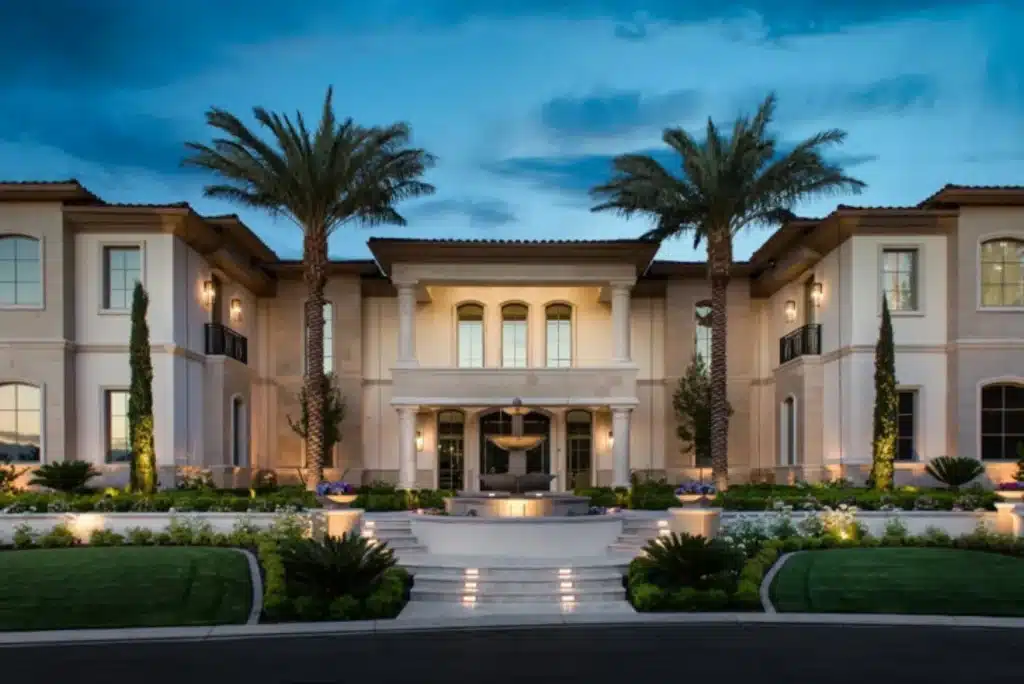
A luxury home announces itself quietly. Not with square footage, but with the way a ceiling meets a wall, or the way afternoon light lands on a slab of stone. In Las Vegas, where the sun is relentless and the views stretch for miles, those moments are the architecture. Every architectural detail is a decision, and together they form the home aesthetic that separates an impressive house from a beautiful one.
What Makes an Architectural Detail Luxurious
An aesthetic house is more than a style label. Modern, transitional, modern traditional: each is a vocabulary, and architectural details are the grammar that makes it read clearly. A true luxury home aesthetic comes from precision and restraint. Fewer materials, handled well. Lines that align. Transitions resolved rather than hidden.
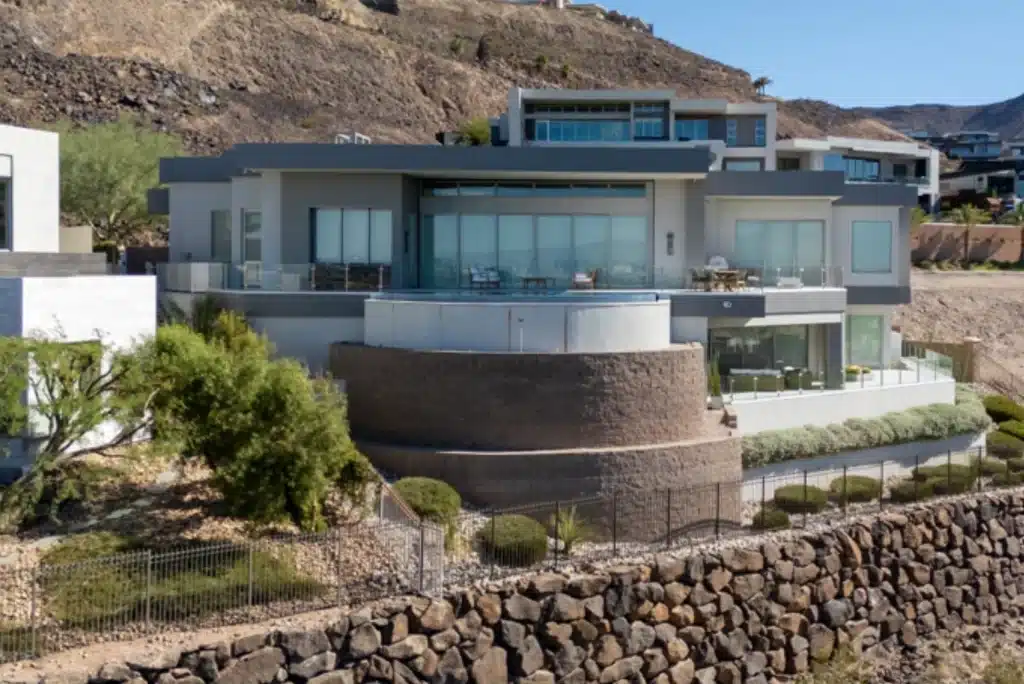
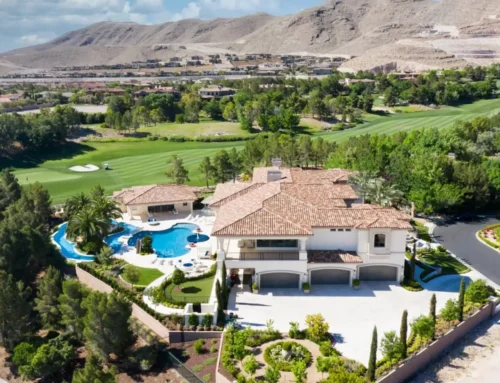
In the Las Vegas valley, that precision has a second job. From Summerlin to Henderson to MacDonald Highlands, every detail has to perform in triple-digit heat and hard light while still looking effortless. The details below do both.
Overhangs and Shade: The Desert Signature
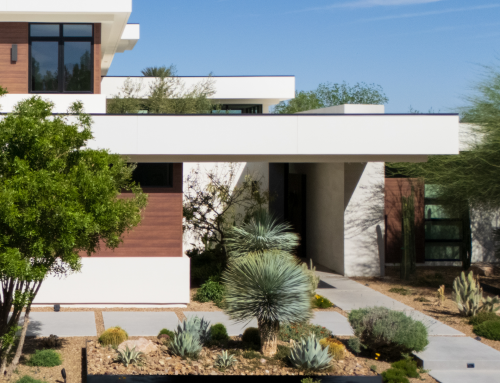
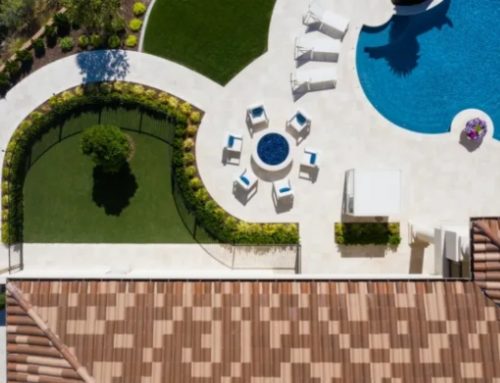
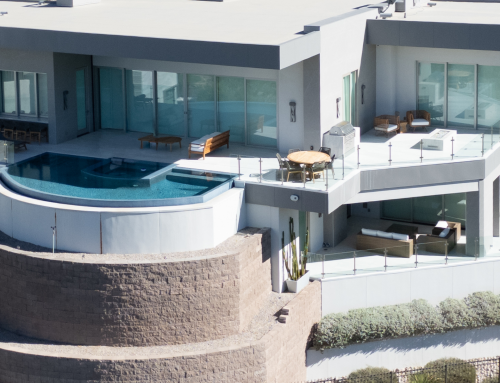
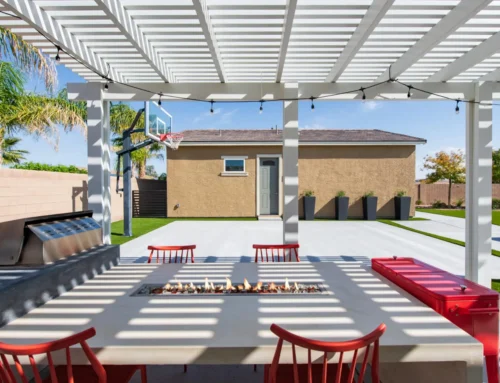
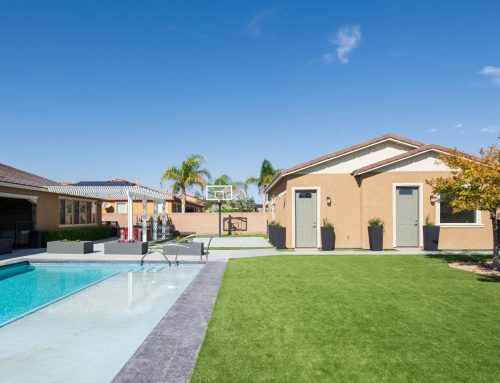
Shade is the original luxury detail in the desert. A deep roof overhang does what no finish can: it keeps direct sun off the glass, softens the interior, and casts a shadow line that gives a façade real depth.
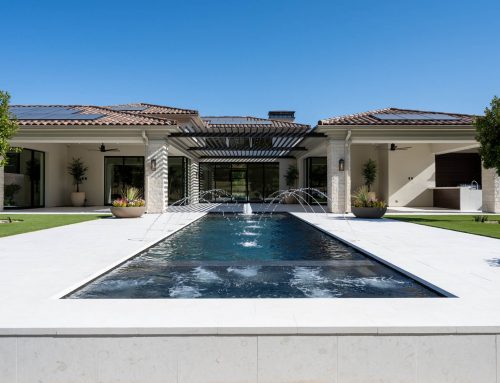
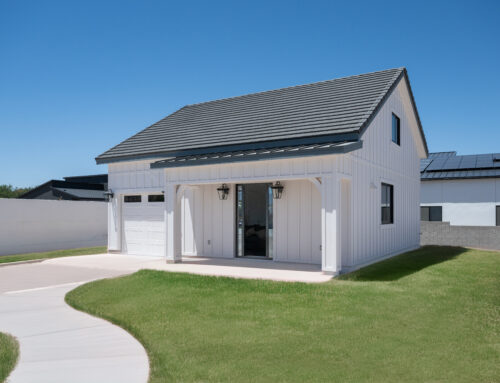
The same logic extends to covered patios, recessed windows, and pergola-style outdoor rooms. Done well, they read as architecture first and climate control second. Our custom homes often pair a white-and-wood façade with large windows and generous overhangs, a combination that looks modern and stays comfortable.
Glass and Indoor-Outdoor Living
Las Vegas homeowners buy the view, so the best architectural detail often is the opening itself. Large-format glass, multi-panel sliding doors, and accordion windows dissolve the boundary between living room and landscape. We have installed custom sliding doors and accordion windows in Summerlin remodels where the goal was simple: make the backyard feel like another room.
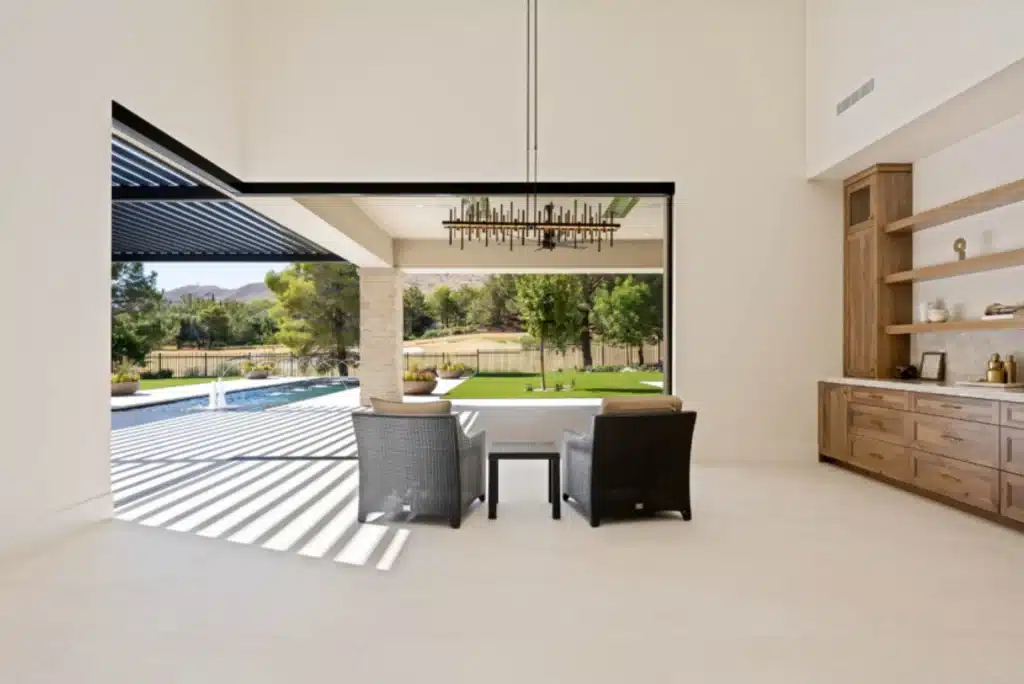
The detail that makes this look luxurious is the one you barely notice. Slim frames, flush thresholds, and a consistent floor that runs from inside to out. Whether the view is a fairway in Southern Highlands, the water at Lake Las Vegas, or the valley from The Ridges, the architecture should frame it rather than compete with it.
Ceilings That Do More Than Cover
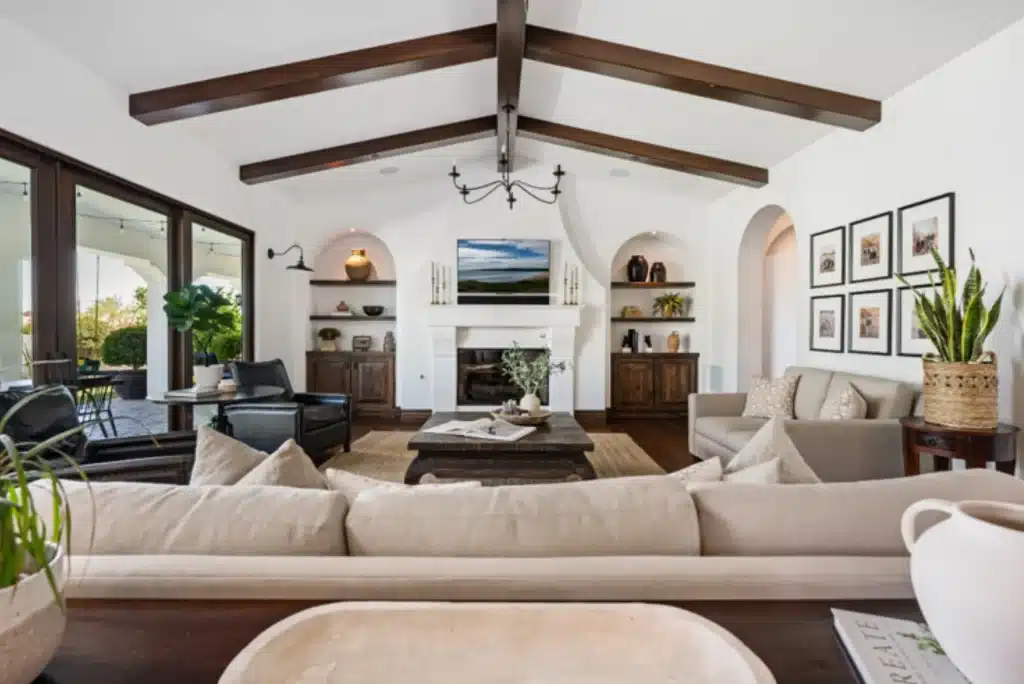
The fifth wall is where luxury homes quietly separate themselves. Tray ceilings, coffered grids, and exposed beams add dimension and let lighting sit where it flatters the room.
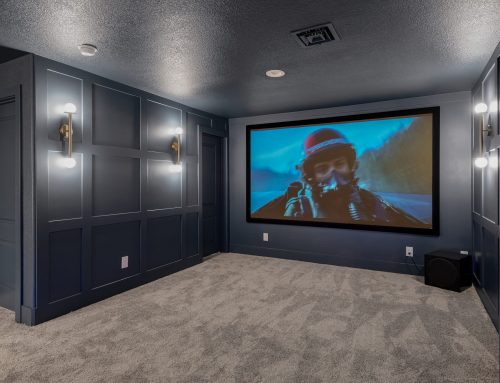
In The Ashford, a Willows Summerlin renovation, the basement theater pairs a textured tray ceiling with deep navy walls, so the ceiling and walls read as one enclosed, intentional space. The lesson applies to any room: a ceiling treatment should echo the architecture around it, not simply decorate it.
Millwork and Built-Ins
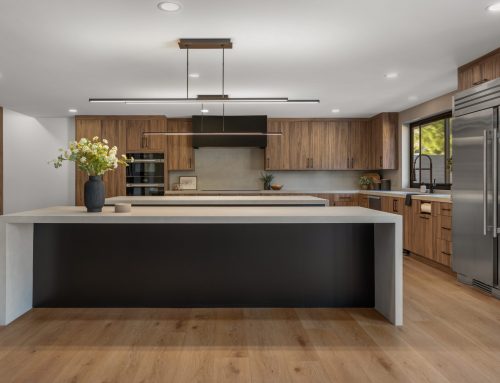
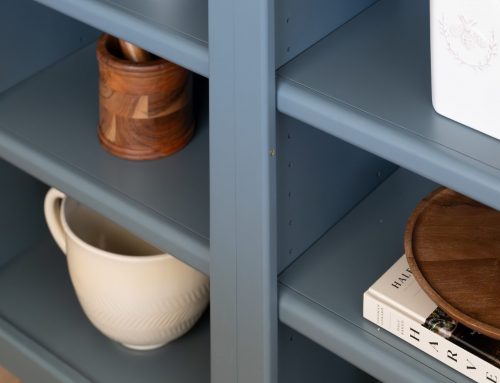
Millwork is where craftsmanship becomes visible. A full grid of shadow-box paneling turns a wall into a feature. A bar in slate-blue shaker cabinetry, with brass pulls and floating white oak shelves, looks built for the room because it was.
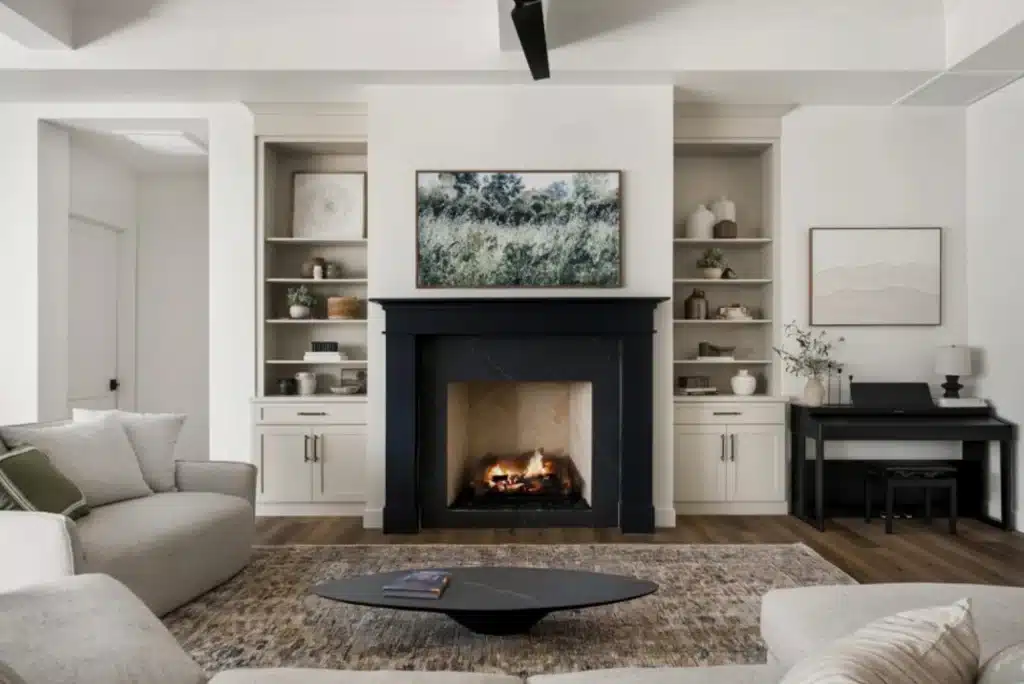
Copper Oak Estate, our Centennial Hills custom build, shows the quieter version. Crisp white built-in shelving surrounds a black fireplace, and the contrast does the work. Good millwork has proportion, consistent reveals, and a clear reason to exist: storage, display, or the pleasure of a well-made edge.
Stone, Plaster, and Tile
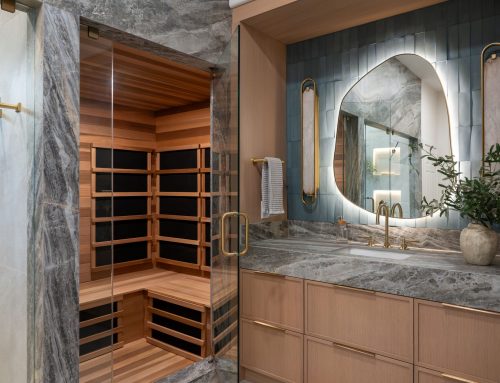
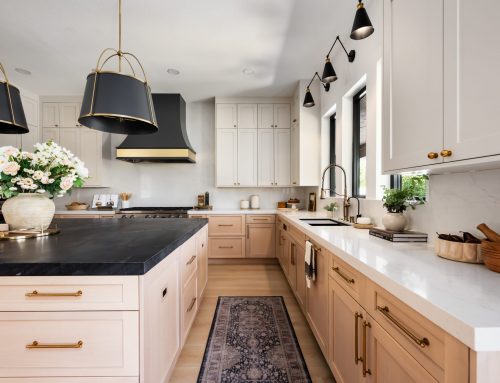
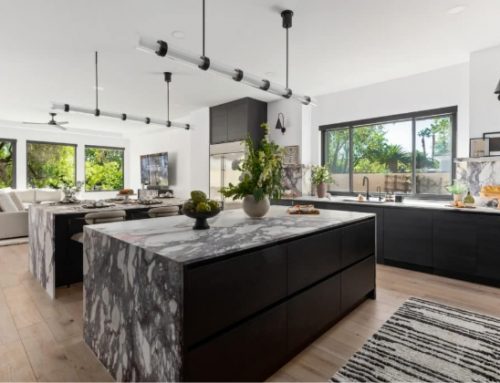
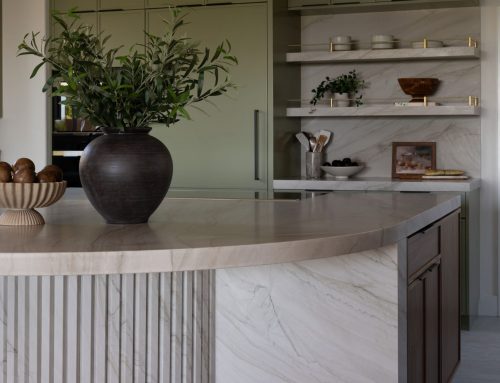
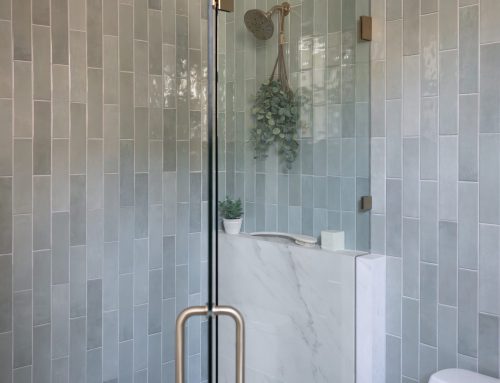
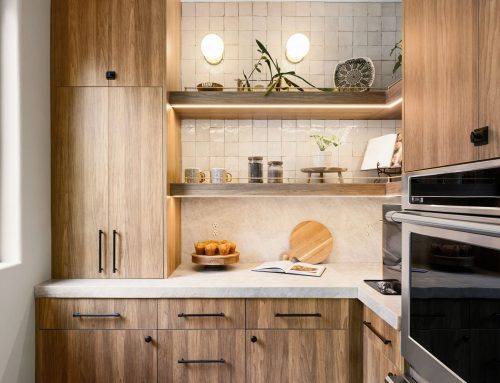
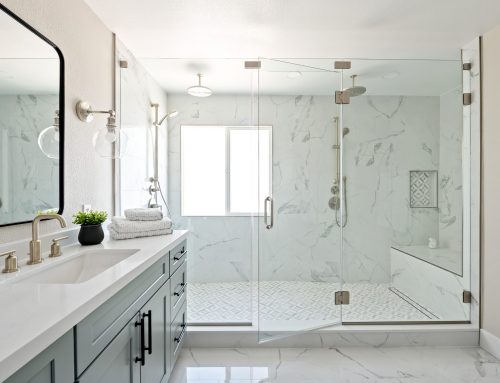
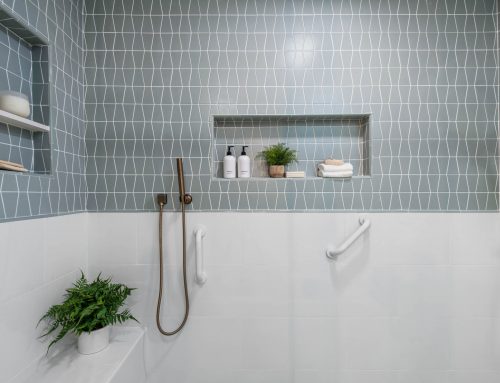
Texture is what keeps a clean, modern home from feeling cold. Natural stone with real veining, a hand-formed plaster range hood, and glazed Zellige tile with its slight variation all bring the hand back into the room.
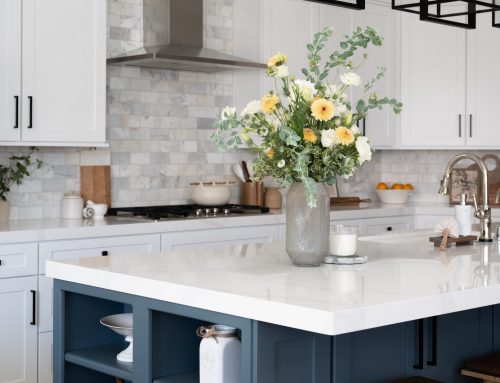
Waterfall edges on counters and full-height slab backsplashes are architectural details too because they treat a surface as a continuous form. If you are weighing materials, our guide to quartz versus marble for luxury kitchens walks through how each one ages and where each belongs.
Staircases and Fireplaces
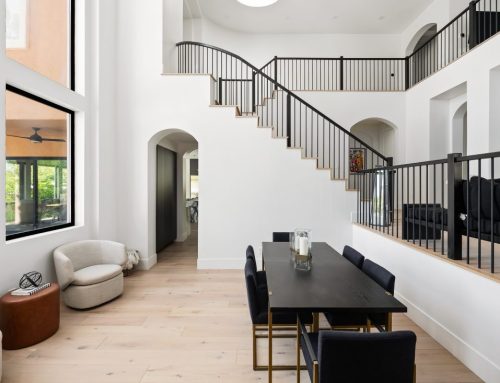
Some architectural details are meant to be looked at directly. A staircase with a glass-and-metal railing and a warm wood handrail, like the one in The Parker, becomes sculpture in an open entry. A fireplace (not shown), handled with the right surround and scale, anchors the room it serves.
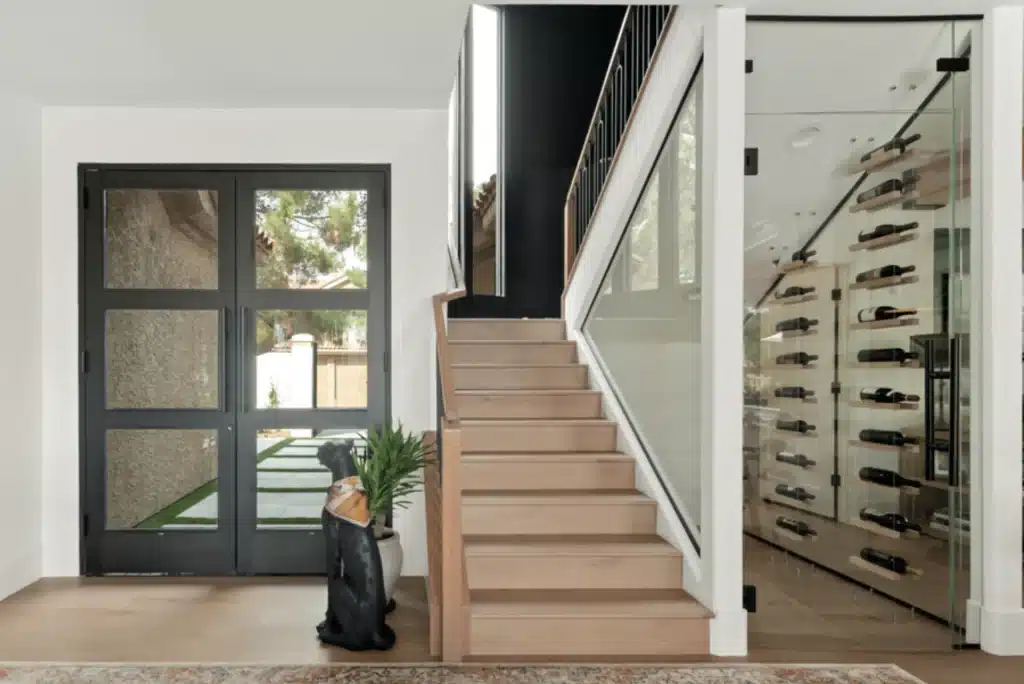
Style changes the vocabulary, not the principle. Magnolia Heights Estate shows how a modern traditional home applies the same rigor to proportion, trim, and material. Whether the architecture is clean-lined or classic, the detail should look inevitable.
Lighting and Hardware
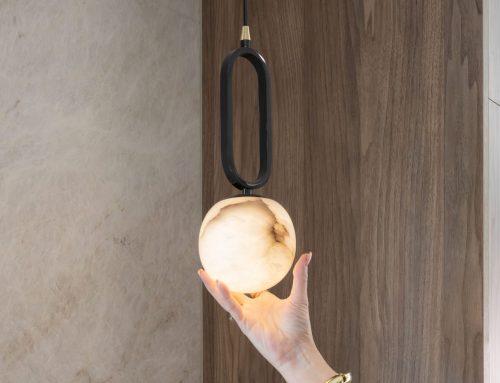
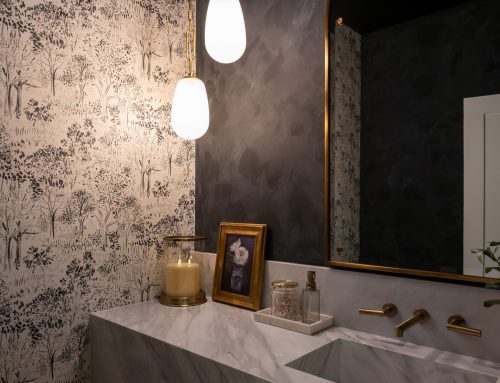
Lighting is the detail that reveals all the others. Brass double-globe sconces layer a room in warm ambient light. Sculptural iron pendants replace nightstand lamps. Integrated LED strips wash a floating shelf. The strongest rooms use at least three layers (ambient, task, and accent), planned on dimmable circuits so a space can shift from morning to evening.
Hardware ties the story together. When the brass on the theater sconces repeats in the bar pulls, or matte black carries from the kitchen to the laundry room, the home reads as one composition. That repetition is how a luxury home aesthetic stays consistent from room to room.
Why These Details Are Planned Early
Here is the part most homeowners do not see. Nearly every detail above is decided before drywall goes up. Overhang depth, ceiling height, blocking for paneling, low-voltage cabling, recessed lighting locations: all of it is set at framing and rough-in. A detail added later is almost always a compromise.
That is the case for design-build. When designers and builders work as one team, the palette is developed once, selections are coordinated before construction begins, and the people installing the work understand why each architectural detail exists. Our in-house team works this way on every project, and it is part of why Kingdom & Co. was named a 2026 NARI Regional Remodeler of the Year winner. If you are comparing firms, our look at luxury home builders in Las Vegas outlines what to ask before you sign.
Luxury is not one grand gesture. It is hundreds of small decisions, made in the right order, by people who care about how the parts meet. Start with the details that matter most to you and let the rest of the home answer them.