How the ROAD Act Changes Home Remodeling in Las Vegas
What you need to know: The ROAD Act changes home remodeling in Las Vegas through three key provisions: modernized FHA Title I loans for renovation financing (no equity or refinance required), a $30 million Whole-Home Repairs grant pilot for home repairs, and federal support for pre-approved ADU designs that speed up permitting. It does not create new tax credits or lower interest rates.
The 21st Century ROAD to Housing Act became federal law on July 11, 2026. Most of the headlines have focused on institutional investor restrictions and new construction incentives, but several provisions in this law directly affect homeowners who are planning renovations, repairs, or additions to their existing homes. Understanding how the ROAD Act home remodeling Las Vegas provisions work can help you plan smarter, finance better, and move faster on the project you have been considering.
If you are a Las Vegas homeowner thinking about a kitchen remodel, a bathroom renovation, an ADU or casita, or a major home improvement project, here is what you should know.
Better Financing for Home Improvements Through FHA Title I
One of the most immediately practical provisions in the ROAD Act is the modernization of FHA Title I property improvement lending.
FHA Title I loans are specifically designed for home improvements. Unlike a home equity line of credit (HELOC), they do not require you to have a certain amount of equity in your home. Unlike a cash-out refinance, they do not change your existing mortgage terms or interest rate. They are standalone loans backed by the Federal Housing Administration, intended to help homeowners finance renovations and repairs.
The problem was that FHA Title I lending terms had not been meaningfully updated in years. Loan limits, underwriting guidelines, and program requirements were outdated, which made them less competitive with private lending options and harder for both borrowers and lenders to use.
The ROAD Act updates those terms. While the specific revised lending limits and guidelines will be published by HUD as the regulations are implemented, the intent is to make Title I loans a more viable option for homeowners who want to improve their properties but do not have the equity, savings, or desire to refinance.
For Las Vegas homeowners, this matters. The median home price in the valley hit $490,000 in June 2026, but many homeowners purchased their homes at lower price points and may not have significant equity built up yet. Others may have a favorable mortgage rate they do not want to lose by refinancing. FHA Title I loans offer a financing path that works independently of both.
What This Means in Practice
If you have been putting off a remodel because financing felt complicated, FHA Title I is worth a conversation with your lender. These loans can cover a wide range of home improvements, from structural repairs to kitchen and bathroom renovations to energy efficiency upgrades. The updated terms under the ROAD Act should make them more accessible and more competitive.
This is especially relevant for homeowners in older parts of the valley, like parts of Henderson, the southwest, and central Las Vegas, where housing stock from the 1990s and 2000s is reaching the age where kitchens, bathrooms, and mechanical systems are due for updates.
The Whole-Home Repairs Pilot Program
The ROAD Act creates a new HUD pilot program called the Whole-Home Repairs program, funded at $30 million over five years. This channels grants and forgivable loans to homeowners and small landlords (those owning fewer than 15 units) for home repairs and modifications, including accessibility improvements. The program originated in Pennsylvania and was expanded to the federal level through the ROAD Act.
This is a competitive grant program. States, counties, and local agencies must apply to HUD to participate, and not every jurisdiction will receive funding. But the program’s creation is significant for two reasons.
First, it provides a new source of funding for home repairs that did not previously exist at the federal level. For low- and moderate-income homeowners in Nevada who need critical repairs but cannot afford them, this could be a meaningful resource if Clark County or the State of Nevada applies and is selected.
Second, it signals a change in federal housing policy. For decades, federal programs focused almost exclusively on new construction. The Whole-Home Repairs program acknowledges that maintaining and improving the existing housing stock is equally important. That matters in a market like Las Vegas, where tens of thousands of homes built during the boom years are now 15 to 25 years old and need attention.
What Qualifies
The program covers a broad range of home repairs and improvements: roofing, plumbing, electrical, HVAC, weatherization, lead and mold remediation, and accessibility modifications like grab bars, ramps, and wider doorways. It also funds the training of contractors to perform this work, which addresses workforce shortages in the trades.
For homeowners who qualify, these grants could cover repairs that make it possible to stay in their homes safely and comfortably, or improvements that bring a property up to modern standards before a larger renovation.
Pre-Approved Designs for ADUs and Small Housing
The Accelerating Home Building Act, included within the ROAD Act, provides federal grants for communities to develop and adopt pre-reviewed building designs for accessory dwelling units (ADUs), duplexes, and townhouses.
The idea is straightforward: instead of every homeowner who wants to build an ADU going through a full design review and approval process from scratch, communities can adopt a library of pre-approved designs. Homeowners choose from the library, and the permitting process is faster because the design has already been reviewed for code compliance.
Why This Matters in Las Vegas
Clark County and the City of Las Vegas have been updating their ADU regulations in recent years, including through Nevada Assembly Bill 396, which expanded homeowner rights to build casitas. But the process of designing, permitting, and building an ADU remains complex and expensive. A pre-approved design library would not eliminate all of those steps, but it could significantly reduce the time and cost of the design and review phase.
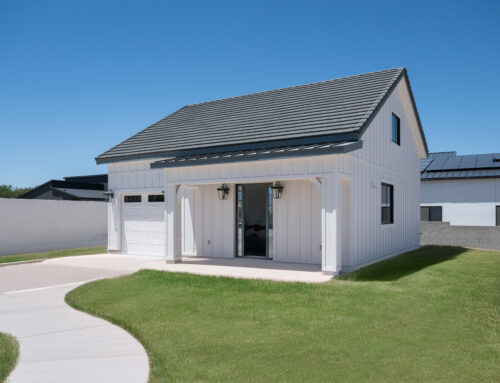
For homeowners who want to add a casita, guest house, or rental unit to their property, this provision creates a more practical path. It is especially relevant for multigenerational households, which are common in Las Vegas, where families want a separate living space on the same property for aging parents or adult children.
The federal grants under this program are available to local governments and regional planning agencies. Whether Clark County or the City of Las Vegas applies for and receives this funding will determine how quickly these pre-approved designs become available locally.
Adaptive Reuse: Converting Commercial Buildings to Housing
The RESIDE Act, another provision within the ROAD Act, funds pilot grants to help local governments convert vacant commercial and industrial buildings into residential housing.
Las Vegas has vacant commercial space, particularly in older retail corridors and office parks that have not recovered from shifts in how people work and shop. Converting these buildings to housing is not a new idea, but it has historically been complicated by zoning restrictions, building code differences between commercial and residential use, and the cost of conversion.
The RESIDE Act provides federal funding to help local governments study, plan, and execute these conversions. For the remodeling and construction industry in Las Vegas, this could create a new category of projects: commercial-to-residential adaptive reuse, which requires significant renovation work including new kitchens, bathrooms, mechanical systems, insulation, and interior buildouts.
What the ROAD Act Does Not Change About Remodeling
A few clarifications are worth making.
The ROAD Act does not create new tax credits for home renovations. If you are looking for tax incentives for energy-efficient upgrades, those continue to exist through the Inflation Reduction Act and related programs, but the ROAD Act does not add to them.
The ROAD Act does not change local permitting requirements. Clark County, the City of Las Vegas, Henderson, and other jurisdictions maintain their own building codes and permitting processes. The law incentivizes reform, but it does not override local authority.
And the ROAD Act does not lower interest rates. If you are financing a renovation through a HELOC, personal loan, or construction loan, your interest rate is determined by broader market conditions, not this legislation. The FHA Title I changes may offer a better rate through that specific program, but the law does not affect rates across the board.
Why This Matters for Las Vegas Homeowners
Las Vegas is a market where tens of thousands of homes are reaching the age where major renovations make sense. Kitchens and bathrooms from the early 2000s are dated. Mechanical systems are aging. Families have grown and their homes no longer fit the way they live.
At the same time, the cost of selling and buying in this market, with a $490,000 median price and limited inventory, makes staying and renovating an increasingly attractive option. The ROAD Act supports that decision by improving financing options, creating new grant programs, and making it easier to add living space through ADUs.
None of these changes happen overnight. Federal agencies need to write rules, launch programs, and distribute funds. But for homeowners who are planning a remodel in the next one to three years, the direction is clear: federal policy is moving toward making it easier and more affordable to invest in the home you already own. Learn more about how our process works if you are considering a project.
Frequently Asked Questions
The Whole-Home Repairs pilot covers roofing, plumbing, electrical, HVAC, weatherization, lead and mold remediation, and accessibility modifications like grab bars, ramps, and wider doorways. The program targets low- and moderate-income homeowners and also funds contractor training to address workforce shortages. Availability depends on whether your state or local government applies to HUD and is selected for the pilot. (Bipartisan Policy Center)
Yes. The ROAD Act modernizes FHA Title I property improvement lending, which provides standalone renovation loans backed by the Federal Housing Administration. These loans do not require equity or refinancing. The updated terms are being published by HUD as regulations are implemented, but the intent is to make Title I a more practical and competitive option for homeowners planning renovations. (Congress.gov)
The Whole-Home Repairs pilot is a new HUD program created by the ROAD Act, funded at $30 million over five years. It provides grants and forgivable loans to low- and moderate-income homeowners and small landlords (fewer than 15 units) for home repairs including roofing, plumbing, HVAC, weatherization, and accessibility modifications. It is a competitive program, meaning states and local agencies must apply to HUD to participate. (NLIHC)
An FHA Title I loan is a federally backed loan specifically for home improvements. Unlike a HELOC, it does not require home equity. Unlike a cash-out refinance, it does not change your existing mortgage. These loans can fund a wide range of improvements including kitchens, bathrooms, roofing, electrical, plumbing, and energy efficiency upgrades. The ROAD Act updates the lending terms to make them more competitive and accessible. (HUD)
The ROAD Act affects home remodeling in three direct ways. First, it modernizes FHA Title I property improvement loans, which makes renovation financing more accessible for homeowners who do not want to refinance or tap equity. Second, it creates the Whole-Home Repairs pilot, a $30 million federal grant program for home repairs. Third, it supports pre-approved ADU designs that can speed up the permitting process for casitas and additions. (NLIHC, Bipartisan Policy Center)