What Is Design-Build? A Complete Guide for Las Vegas Homeowners
TL;DR: Design-build is a construction delivery method where one firm handles both the design and the construction of your project under a single contract. Instead of hiring a designer and a contractor separately, you work with one team from concept to completion. The result is fewer miscommunications, tighter timelines, more accurate budgets and one point of accountability throughout the entire project.
If you’ve started researching home renovations in Las Vegas, you’ve probably come across the term “design-build” and wondered what it actually means. It sounds like industry jargon, but it describes a very specific way of structuring a remodeling or custom home project. Understanding what is design-build and how it works can save you time, money and a lot of frustration before your renovation even begins.
At Kingdom & Co., we use the design-build model on every project we take on. It’s the foundation of how we work and it shapes everything from how we communicate with clients to how we manage budgets and timelines. But before we get into how we apply it, let’s break down the concept itself.
What Is Design-Build in Simple Terms?
Design-build is a project delivery method where one firm handles both the design and the construction of a project under a single contract. Instead of hiring a designer or architect separately and then bringing in a contractor to execute the plans, you work with one team from start to finish.
That single team is responsible for everything: initial concept, floor plans, material selections, permitting, construction management and final finishes. Because the designers and builders work together from day one, decisions happen faster, communication is clearer and there are far fewer gaps between what gets drawn on paper and what actually gets built.
The model has been standard in commercial construction for decades. Hospitals, universities and corporate campuses are routinely built this way because of the efficiency and accountability it provides. Over the past 15 years, the residential construction industry has adopted it at a growing rate, especially for high-end remodels and custom homes where complexity demands tighter coordination between design intent and construction execution.
For homeowners in Las Vegas who are researching what is design-build for the first time, the simplest way to think about it is this: one contract, one team, one point of accountability. Everything else flows from that structure.
How the Design-Build Process Works
The design-build process typically follows three phases. The specifics vary by firm, but the structure is consistent across the industry. Here’s how it works at Kingdom & Co.
Phase One: Consultation
Every project starts with a conversation. Before any drawings or estimates, the goal is to understand the homeowner’s vision, priorities and constraints. This includes discussing the scope of work, walking the existing space (for remodels) or reviewing the lot (for custom builds) and establishing a realistic budget range.
At Kingdom & Co., this phase also includes an on-site visit where our team assesses structural conditions, mechanical systems and any site-specific factors that will influence the design. This early evaluation prevents surprises later.

Phase Two: Design
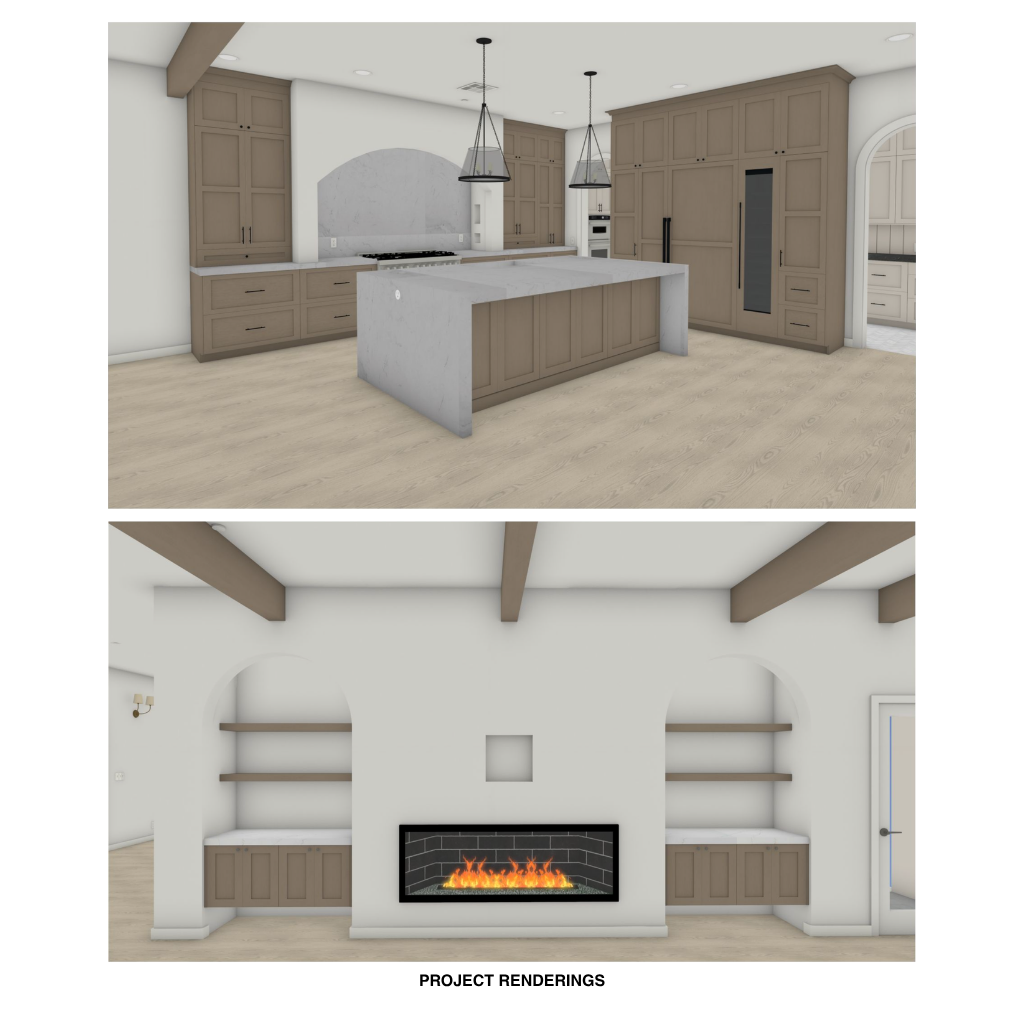
Once the consultation is complete, the design team develops initial concepts. In a design-build model, the construction team is already involved during this phase. That means every design decision is evaluated not just for aesthetics but also for buildability, cost impact and timeline implications.
The homeowner reviews the initial concepts, provides feedback and works through revisions until the design is finalized. Nothing moves to construction until the client signs off. This collaborative approach is what makes design-build different from the traditional model, where plans get handed off and the builder has to interpret (or re-engineer) someone else’s vision.
Phase Three: Construction
With the design approved, construction begins. In a design-build project, the same firm that designed the space is now building it. This means the designer stays involved throughout construction, reviewing progress at key milestones and ensuring the finished product matches the original intent.
At Kingdom & Co., clients receive daily text updates and have access to our JobTread project management portal for real-time tracking of budgets, milestones and photos. We also schedule five on-site meetings throughout the project where the client, superintendent and designer meet to walk the space together.
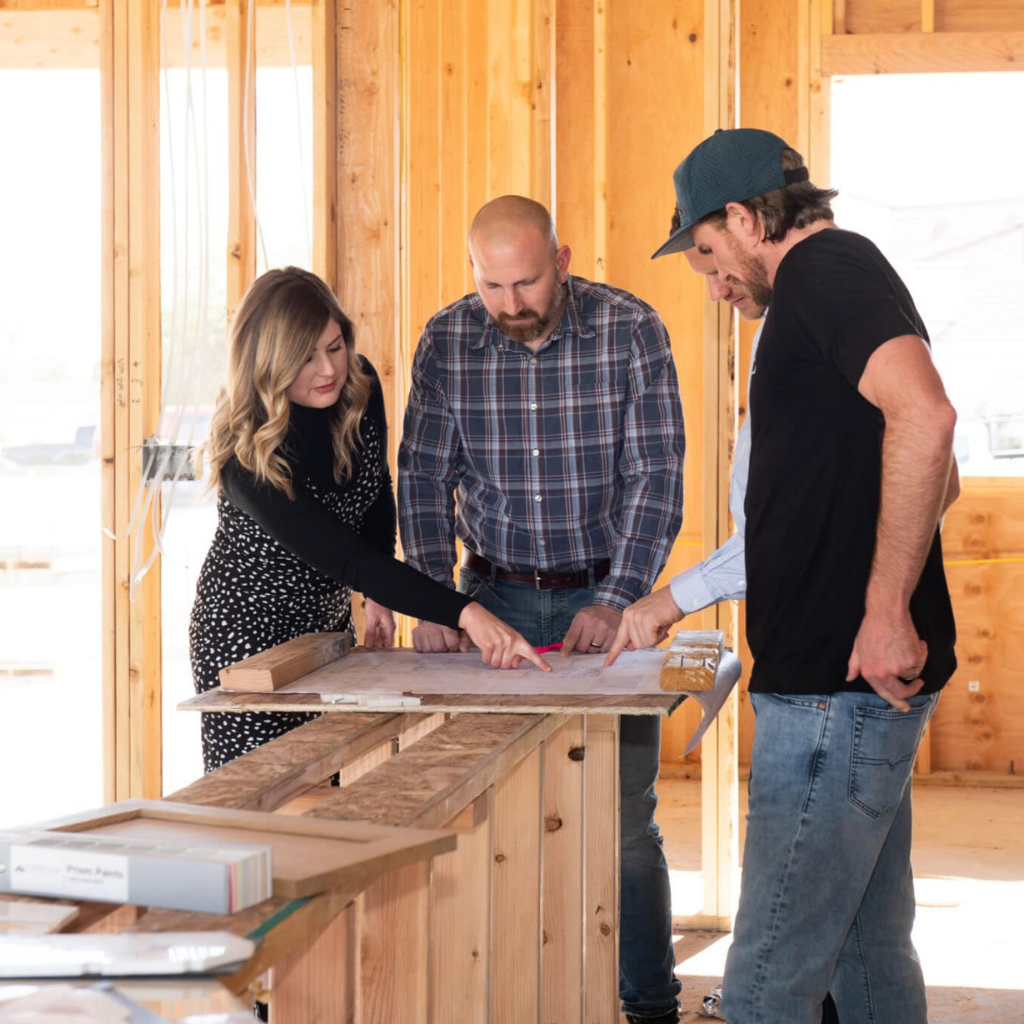
At Kingdom & Co., clients receive daily text updates and have access to our JobTread project management portal for real-time tracking of budgets, milestones and photos. We also schedule five on-site meetings throughout the project where the client, superintendent and designer meet to walk the space together.
How Design-Build Differs from Traditional Construction
In traditional construction, the process is sequential and fragmented. You hire a designer or architect first. They produce a complete set of plans. Then you take those plans to one or more general contractors, collect bids and hire someone to build it.
The problem with this approach is that the people designing the project and the people building it operate independently. If the design calls for something that’s structurally complex, over budget or impractical to build, that conflict doesn’t surface until the contractor reviews the finished plans. At that point, changes are expensive and time-consuming because they require reworking drawings that already went through approvals.
Design-build eliminates this disconnect by keeping design and construction under one roof. The builder is in the room when design decisions are being made, which means issues get caught early and resolved before they become costly change orders. This is what is design-build at its core: a model built around collaboration rather than handoffs.
The difference shows up most clearly in three areas:
Communication. In the traditional model, the homeowner is the go-between, relaying information from the designer to the contractor and back. In design-build, there’s one team and one point of contact.
Cost control. Traditional bids are often lump-sum, with markup built into every line item. Design-build firms like Kingdom & Co. frequently use cost-plus pricing, which gives clients full visibility into material costs, labor and management fees.
Timeline. Traditional construction is sequential (design, then bid, then build). Design-build allows phases to overlap, which compresses the overall schedule.
Who Benefits Most from the Design-Build Model
Now that we’ve covered what is design-build and how it compares to the traditional model, let’s look at who gets the most value from it. Design-build isn’t limited to one type of project, but it delivers the most value when the scope is complex and the stakes are high. The homeowners who benefit most from this approach tend to fall into a few categories.
Whole-home remodels. When you’re renovating multiple rooms or reconfiguring layouts, the number of design decisions that affect construction sequencing is enormous. Having one team manage that coordination prevents the miscommunication that derails traditional projects.
Custom home builds. Building from the ground up requires seamless integration between architectural design, structural engineering, interior finishes and site work. Design-build keeps all of those disciplines aligned under one contract.
Luxury renovations with custom finishes. High-end materials, specialty millwork, custom cabinetry and precision tile work all require the designer and builder to be in lockstep. When the person who designed the tile layout is also overseeing its installation, the result is sharper.
Homeowners who value transparency. If you want to understand where your money is going and have real-time access to project updates, the design-build model is built for that. You’re not waiting for a contractor to return calls or interpret plans you didn’t help create.
In Las Vegas specifically, design-build has gained traction in neighborhoods like Summerlin, Henderson and throughout the valley where homeowners are investing in major renovations and custom builds that demand tighter coordination than the traditional model can reliably deliver. If you’re considering a significant investment in your home, understanding what is design-build isn’t just academic. It directly affects how your money gets spent and what you end up with when the project is done.
What Design-Build Looks Like at Kingdom & Co.
Knowing what is design-build as a concept is one thing. Seeing how a specific firm applies it is another.
At Kingdom & Co., design-build is not a marketing label. It’s the operational model behind every project. Our in-house team includes designers, carpenters, plumbers and glass and door specialists who all work under one roof. We don’t subcontract our core trades, which means the people designing your space and the people building it are on the same team, sharing the same standards.
We operate on a cost-plus pricing model, so clients see the actual cost of every material and trade line item. There’s no hidden markup. When you’re selecting countertops or plumbing fixtures, you see the same price we pay through our supplier relationships and bulk purchasing power.
This approach is a core reason Kingdom & Co. was selected as the contractor of choice by HGTV’s Property Brothers for eight Las Vegas homes. It’s also why we’ve been recognized as a NARI Regional Remodeler of the Year twice. When one team owns the entire outcome, the quality shows.
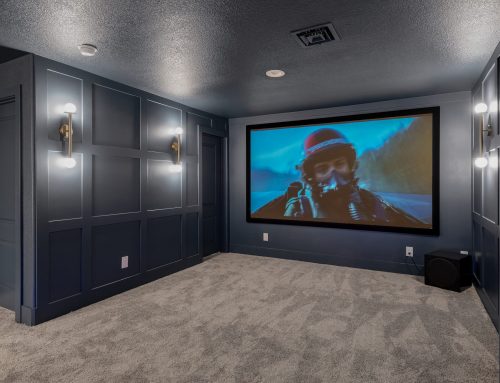
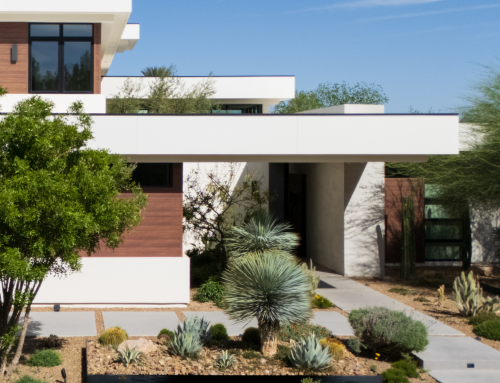
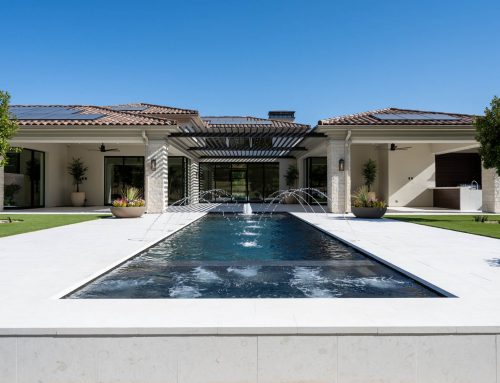
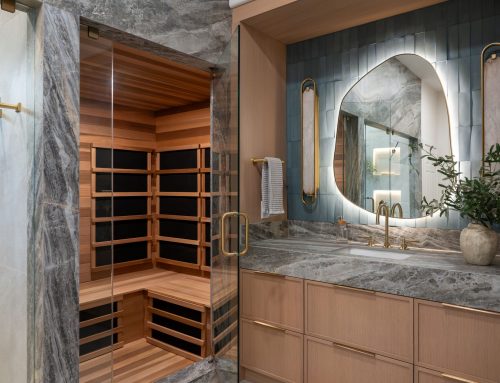
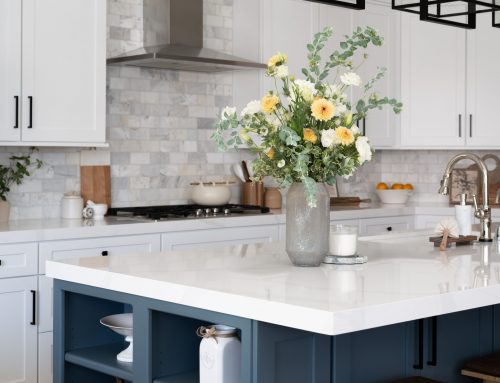
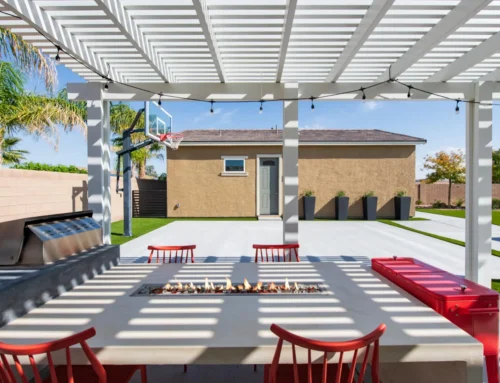
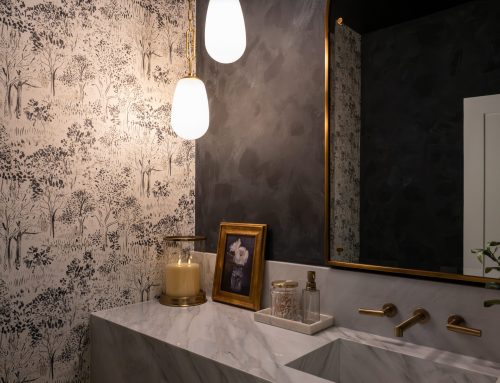
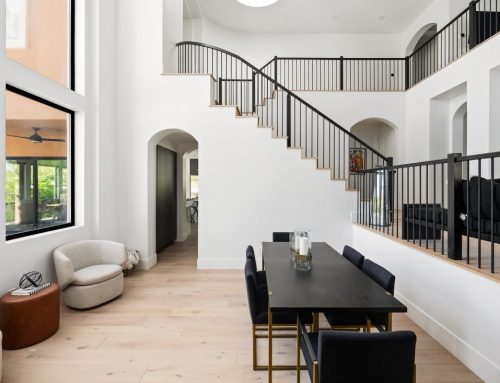
Our portfolio includes whole-home remodels, custom builds and everything in between. Every project in that gallery was delivered through the design-build model, with one team guiding the work from first consultation to final walkthrough.
Ready to See How Design-Build Works for Your Project?
If you’re planning a remodel or custom build in Las Vegas, the best way to understand what is design-build in practice is to have a conversation with a firm that does it every day. We’ll walk you through our process, show you completed projects with a similar scope and help you determine whether design-build is the right approach for what you’re planning.
Schedule your consultation today and let’s talk about your home.
FREQUENTLY ASKED QUESTIONS
Yes. Kingdom & Co. is a full-service design-build firm. Every project we take on, whether it’s a kitchen remodel, a whole-home renovation or a custom build, follows our integrated design-build process. This consistency is what allows us to maintain quality, control timelines and deliver a finished product that matches the original vision.
Absolutely. Design-build does not mean giving up creative control. You work directly with the design team throughout the process, selecting materials, reviewing concepts and approving revisions before anything moves to construction. The difference is that your designer and builder can advise you in real time on how each selection affects cost, timeline and constructability.
Timeline depends on scope, but design-build generally compresses the overall schedule compared to the traditional approach. Because design and construction phases can overlap (rather than running sequentially), the parallel workflow saves time. A typical luxury remodel takes several months; a custom home build runs 12 to 18 months from design through completion.
Not typically. Design-build often reduces total project cost because the construction team is involved during the design phase, which means potential conflicts between design intent and buildability get resolved before they turn into expensive change orders. At Kingdom & Co., our cost-plus pricing gives clients complete transparency into every cost, so there are no hidden markups.
Design-build combines design and construction into a single contract with one firm. When you hire a general contractor, they execute plans created by a separate designer or architect. In design-build, the same team that creates the plans also builds the project. This eliminates the communication gaps between separate companies and gives the homeowner one point of accountability for the entire project.