Choosing Premium Materials for Custom Home Remodeling
TL;DR: Choosing premium materials is a key part of successful custom home remodeling, influencing everything from aesthetics and durability to comfort and long-term performance. This guide explains how to select luxury materials that complement your home design, lifestyle, and vision while creating a cohesive finished space.
- Choose home remodeling materials based on durability, maintenance, performance, and appearance.
- Use natural stone, premium flooring, custom cabinetry, and millwork to elevate your living space.
- Prioritize moisture resistance and durability when selecting materials for kitchen and bathroom renovations.
- Consider windows, insulation, and other materials that can improve energy efficiency.
- Balance timeless materials with current trends to create a dream home that feels sophisticated for years.
A luxury remodel is about more than changing the appearance of your home. It’s an opportunity to reconsider how each room functions, how spaces connect, and how the materials throughout the property contribute to your daily experience. Choosing the right home remodeling materials is a major part of creating a finished home that looks exceptional and performs beautifully for years.
For homeowners planning custom home remodeling, material selection can quickly become overwhelming. Natural stone or porcelain? Hardwood or engineered wood? Custom or semi-custom cabinetry? The right answers depend on your lifestyle, aesthetic, budget, and the demands of each space. And Kingdom & Co is here to help.
Here’s what to consider when selecting premium materials for your custom home remodel.
Start With the Overall Home Design
Before selecting individual finishes, establish a clear home design direction. Materials should work together rather than feel like a collection of independent choices.
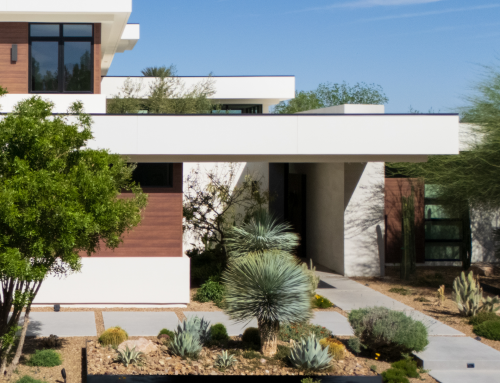
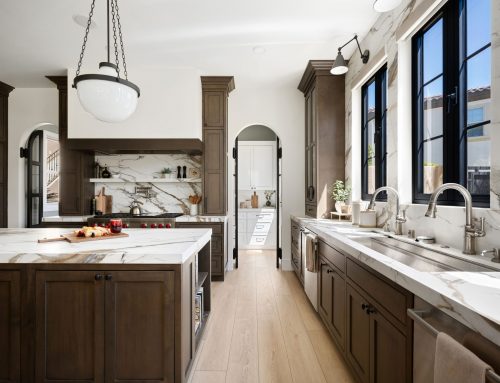
Consider the architecture of your home, your personal style, and the atmosphere you want to create. A modern desert residence might incorporate natural stone, warm woods, glass, and understated finishes. A transitional home could combine classic materials with cleaner, contemporary details.
Creating this vision early also helps maintain continuity throughout a large-scale home remodeling project. Flooring, cabinetry, countertops, hardware, lighting, and wall treatments can then be selected as parts of one cohesive design.
Invest in Materials That Stand the Test of Time
Premium doesn’t always mean the most expensive option. A quality material should provide a combination of beauty, durability, and performance appropriate for its location.
This is particularly important with luxury house remodeling materials. A dramatic finish that requires constant maintenance may not be the right fit for a busy household. Likewise, choosing a less durable product to reduce upfront costs can lead to premature replacement.
Think about how each room will actually be used. Homes with children, pets, frequent guests, or regular entertaining may benefit from materials selected specifically for durability. A professional design team can help balance those practical considerations with your aesthetic goals.
Make Natural Stone a Statement
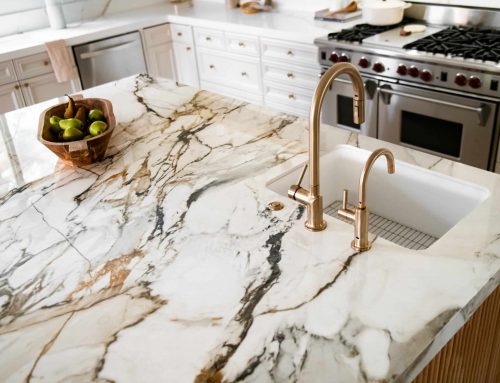
Natural stone remains one of the defining elements of luxury interiors. Marble, granite, quartzite, limestone, and other materials offer variations in color and pattern that can make each installation unique.
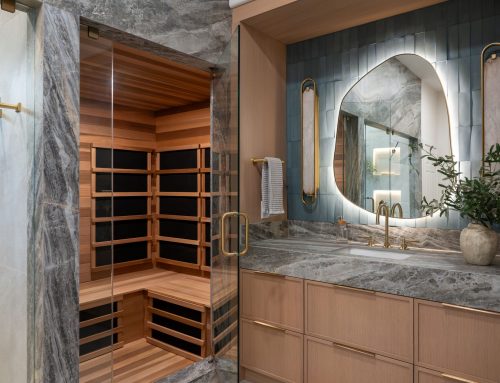
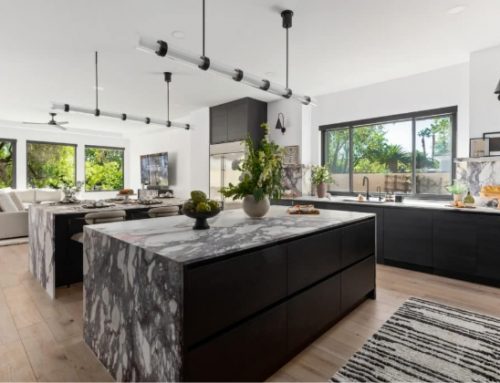
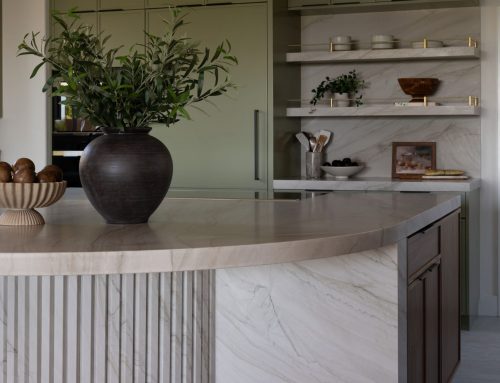
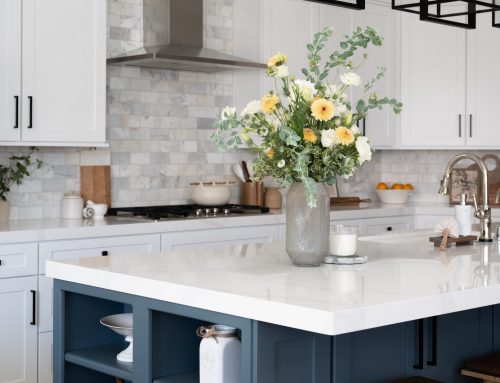
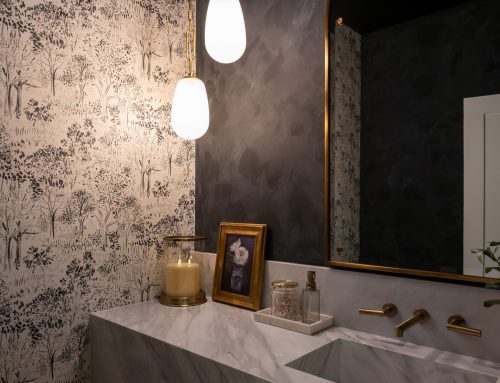
In a kitchen, a dramatic stone slab can turn an oversized island into a focal point. In a bathroom remodel, stone can create a spa-like environment across floors, walls, vanities, or shower surrounds. Stone can also be used for fireplaces, bars, feature walls, and other architectural details throughout the living space.
Because natural materials vary in porosity, durability, and maintenance requirements, selection should go beyond appearance. Your design-build team can help determine which stone is best suited to each application.
Choose Flooring That Creates Continuity
Flooring has an enormous visual impact because it extends across such a large portion of the home. During major home renovations, changing the flooring can also provide an opportunity to create better continuity between previously disconnected rooms.
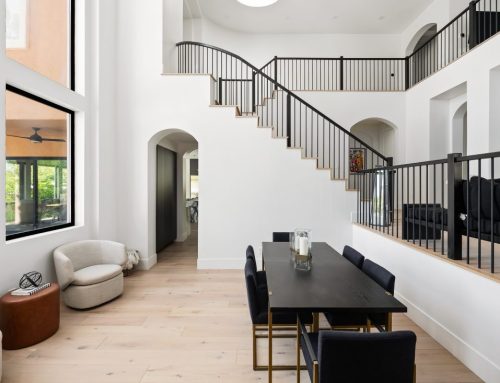
Wide-plank hardwood brings warmth and character to luxury interiors, while premium engineered wood can offer greater stability in certain applications. Natural stone creates a substantial, timeless appearance, and large-format porcelain can provide durability along with an extensive range of finishes.
For open floor plans, carrying consistent flooring through the primary living areas can make the home feel larger and more cohesive. Changes in material can then be used intentionally to distinguish specific spaces.
Prioritize Custom Cabinetry and Millwork
Custom cabinetry is one of the most effective ways to distinguish a high-end remodel from a standard renovation.
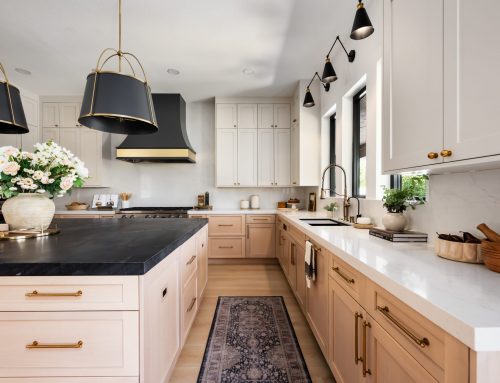
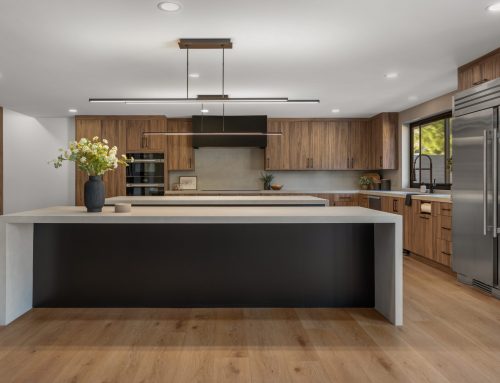
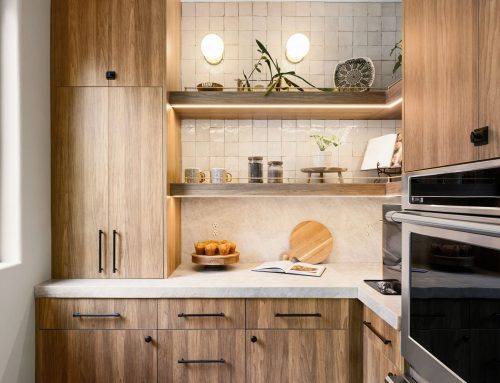
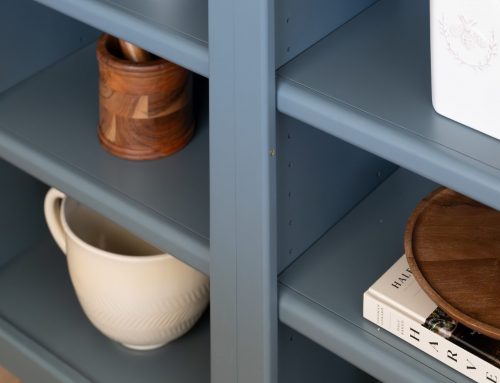
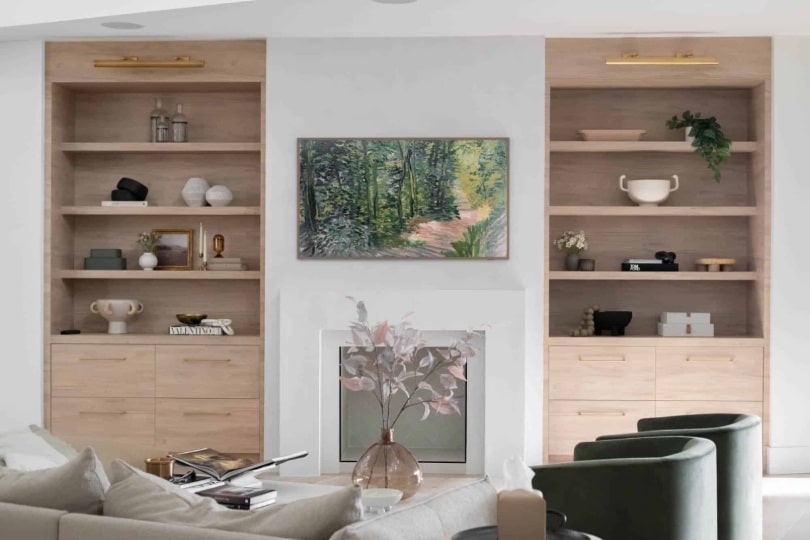
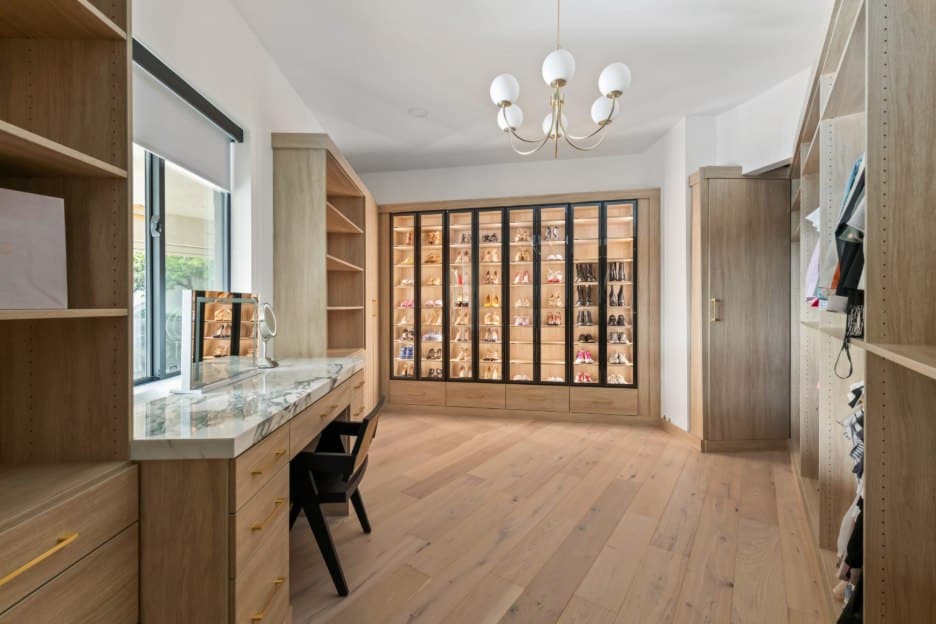
Rather than adapting your needs to predetermined cabinet dimensions, custom work can be designed specifically around your space and lifestyle. That could mean an oversized kitchen island, concealed appliance storage, integrated bars, built-in shelving, or a bathroom vanity created for the exact dimensions of the room.
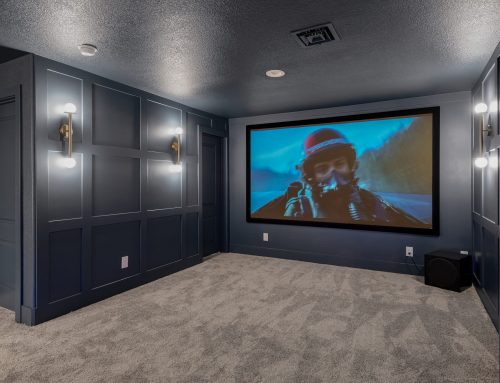
Millwork can extend this level of detail throughout the home through wall paneling, ceiling treatments, built-ins, and other architectural features.
Among luxury home remodeling materials, quality woodwork can have an especially powerful impact because it combines practical function with craftsmanship.
Select Kitchen and Bathroom Materials Carefully
The kitchen and bathroom typically require some of the most important material decisions in a remodel. These spaces experience moisture, heat, spills, and frequent use, so finishes need to deliver more than visual appeal.
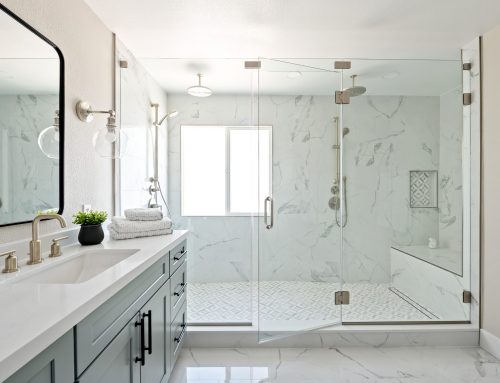
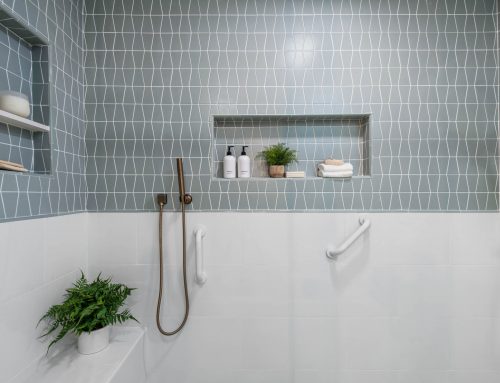
For kitchens, prioritize durable countertops, quality cabinetry, easy-to-maintain flooring, and fixtures designed for long-term performance. In a bathroom remodel, consider water resistance, slip resistance, maintenance requirements, and how different surfaces will perform in wet areas.
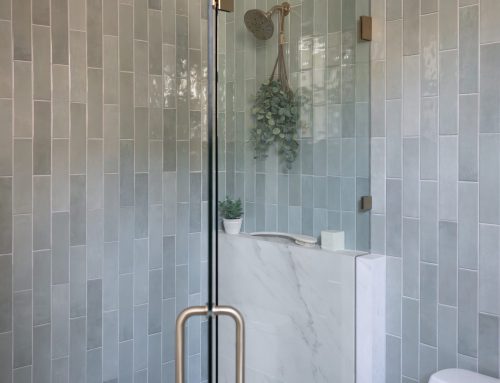
These rooms are also ideal places for statement materials. A bookmatched stone backsplash, custom vanity, designer plumbing fixtures, or handcrafted tile can add personality without overwhelming the rest of the home design.
Think About Energy Efficiency
Premium materials can also contribute to improved energy efficiency. Windows, insulation, roofing materials, doors, and even certain flooring choices can influence how effectively your home maintains a comfortable indoor environment.
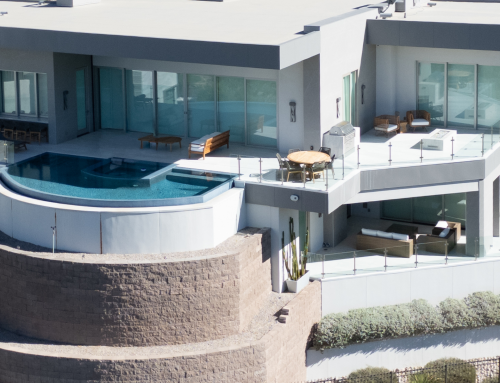
In the Las Vegas climate, high-performance windows are particularly valuable. Modern glazing can help limit unwanted heat gain while still allowing natural light into the home. Quality insulation and properly selected exterior materials can further improve thermal performance.
Energy-efficient choices don’t have to compromise luxury. In many cases, today’s high-performance products combine sophisticated aesthetics with advanced technology, allowing homeowners to improve comfort while potentially reducing energy consumption.
Use Texture to Add Depth
A sophisticated interior isn’t created through color alone. Texture adds depth and makes rooms feel layered and intentional.
Wood grain, honed stone, plaster walls, textured fabrics, metal accents, and handcrafted tile can all contribute to the experience of a room. Combining smooth and tactile surfaces creates visual interest without requiring an excessive number of colors or patterns.
This is particularly useful in neutral luxury interiors, where subtle variations in texture can create warmth and character.
Balance Trends With Timeless Choices
Every remodeling project is influenced to some degree by current design trends, but premium materials represent a significant investment. Choosing every finish based on what’s popular today can cause a home to feel dated sooner than expected.
Consider using timeless materials for major permanent features and incorporating trends through elements that can be updated more easily. Natural stone, quality hardwood, custom cabinetry, and well-crafted architectural details can provide a lasting foundation.
Lighting, hardware, paint, furnishings, and decorative accents offer opportunities to introduce more contemporary ideas without committing the entire home to one moment in design.
Let the Design and Construction Teams Collaborate
Material selection shouldn’t happen independently from construction planning. Some materials require specialized installation, structural accommodations, extended lead times, or specific preparation.
An integrated design-build approach allows designers, project managers, and construction professionals to coordinate these details before work begins. This can help reduce delays, avoid unnecessary changes, and ensure the design can be executed as intended.
For a complex custom home remodel, that collaboration is especially valuable. The goal isn’t simply to select beautiful materials; it’s to make sure every selection works as part of the finished home.
Build Your Dream Home Around Quality
The best custom home remodeling projects feel considered from beginning to end. Every surface, fixture, and architectural detail contributes to a larger vision, creating a home that feels cohesive rather than simply updated.
Choosing premium home remodeling materials means looking at beauty, durability, maintenance, functionality, and long-term value together. From natural stone and custom millwork to flooring and energy-efficient features, each decision is an opportunity to elevate the way your home looks and functions.
With careful planning, quality materials, and experienced design and construction professionals working together, home remodeling can do more than refresh your surroundings. It can transform your existing property into the dream home you’ve envisioned—one thoughtfully selected detail at a time.