Sustainable Modern Houses: Balancing Eco-Friendly Design with Elegance
TL;DR: Sustainable modern houses combine refined architecture, energy efficiency, and environmentally conscious features without sacrificing luxury. This guide explores how thoughtful design choices can create an elegant, comfortable home that conserves resources, reduces environmental impact, and supports long-term living.
- Discover how home orientation and natural light can improve energy efficiency while creating bright, inviting interiors.
- Learn how solar panels, efficient HVAC systems, insulation, and smart technology can reduce household energy consumption.
- Explore sustainable materials that provide durability, beauty, and lasting value.
- See how water conservation strategies, including efficient fixtures and drought-tolerant landscaping, support responsible resource use.
- Understand how timeless materials, flexible spaces, and integrated sustainable design can help modern homes remain functional and elegant for decades.
Luxury and sustainability no longer sit on opposite sides of home design.
Today, homeowners can create sophisticated residences that prioritize comfort, architectural beauty, and environmental responsibility at the same time. Sustainable modern houses combine thoughtful planning, efficient technology, durable materials, and refined aesthetics to create spaces designed for modern living.
A well-designed sustainable residence goes beyond adding a few energy-efficient features. Every decision, from the orientation of the home to the materials used inside, can contribute to lower energy consumption and a reduced environmental impact. With the right design-build approach, sustainability can become part of the home’s character without compromising elegance.
What Defines Sustainable Modern Houses?
Sustainable modern houses are designed to use resources efficiently throughout their lifespan. Their architecture often incorporates clean lines, open layouts, efficient building systems, durable materials, and a strong connection between indoor and outdoor spaces.
The goal of sustainable design is to consider how the entire home functions as one system. Insulation, windows, lighting, appliances, landscaping, and energy production all influence overall efficiency.
For luxury homeowners, this creates an opportunity to build spaces that feel sophisticated while supporting long-term performance. A thoughtfully planned sustainable home can reduce energy and water consumption while providing the comfort and visual appeal expected from high-end residential design.
Start With Thoughtful Home Orientation
Sustainability begins long before finishes, fixtures, and appliances are selected. The placement and orientation of a home can significantly influence its energy requirements.
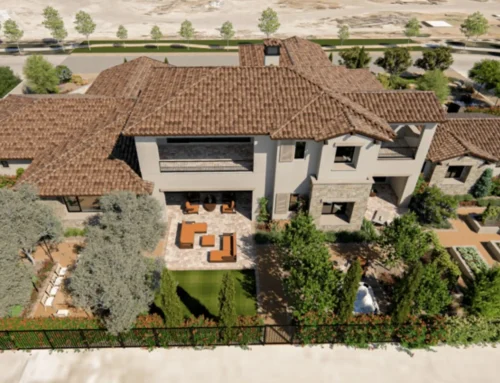
Architects and designers can study sun exposure, prevailing winds, views, and surrounding landscape when positioning a residence. Strategic window placement allows the home to capture natural light while controlling excessive heat gain.
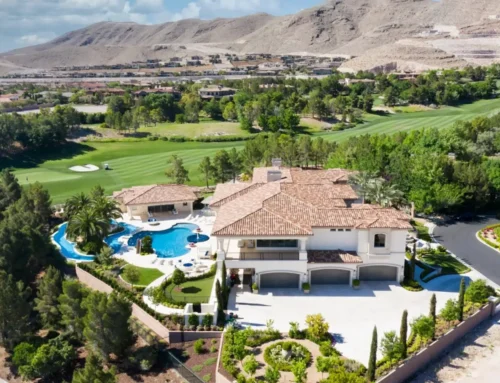
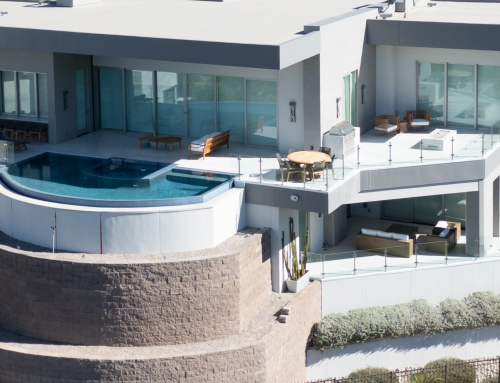
In sunny climates, thoughtful orientation becomes especially valuable. Overhangs, shaded outdoor areas, window treatments, and high-performance glass can help manage solar exposure while maintaining bright interiors.
These architectural details allow a modern sustainable house to feel open and connected to its surroundings without sacrificing indoor comfort.
Maximize Natural Light
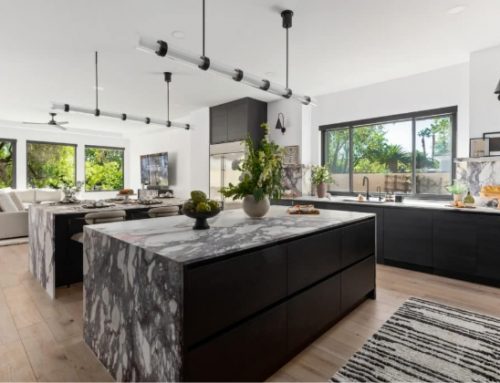
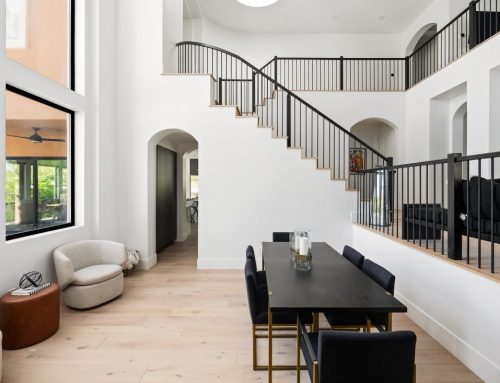
Large windows and expansive glass walls are hallmarks of modern architecture, but they can also support sustainability when carefully designed.
Increasing access to natural light can reduce dependence on artificial lighting during the day. It can also create a more inviting atmosphere by highlighting architectural details, finishes, and furnishings.
Skylights, clerestory windows, glass doors, and strategically positioned windows can bring daylight deeper into the home. Designers can pair these elements with energy-efficient glazing to help regulate interior temperatures.
For luxury residences, this combination creates bright, dramatic spaces while supporting the broader goals of eco-friendly home design.
Integrate Solar Panels into the Architecture
Renewable energy has become an increasingly important feature in modern sustainable homes. Solar panels can help homeowners generate electricity on-site, reducing dependence on traditional energy sources.
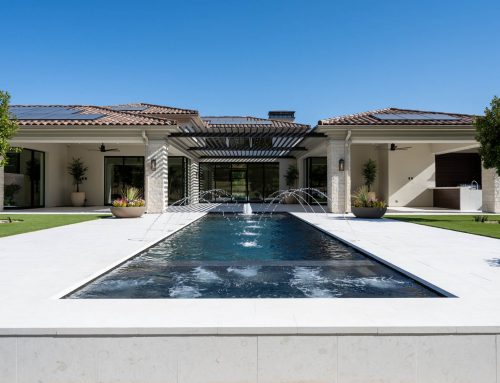
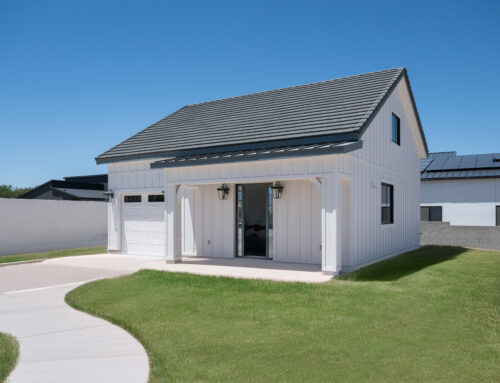
Modern systems can also be incorporated more thoughtfully into the architecture than earlier generations of solar technology. Rooflines can be designed with solar installation in mind, allowing panels to complement the home’s appearance instead of feeling like an afterthought.
Battery storage can further enhance a solar system by storing excess energy for later use. The appropriate system depends on the home’s size, energy demands, orientation, and local conditions.
When considered early in the design process, solar panels can become a seamless component of a high-performance luxury residence.
Select Sustainable Materials
Materials play an important role in sustainable design. Choosing durable products can reduce the need for frequent replacement while helping create a timeless interior.
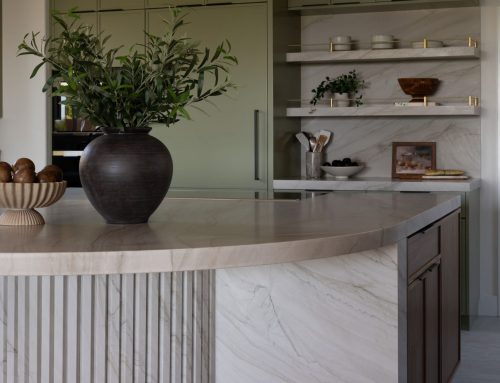
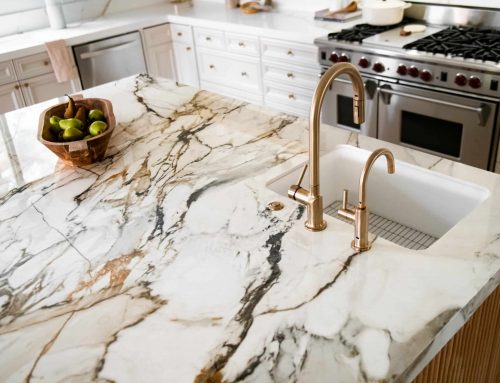
Reclaimed wood, recycled materials, responsibly sourced lumber, durable stone, and products with recycled content can all have a place in eco-friendly home designs.
Material selection should also consider longevity. A premium material that lasts for decades may offer greater long-term value than a lower-quality alternative that requires frequent replacement.
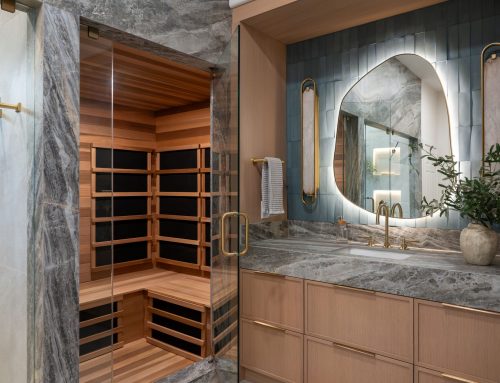
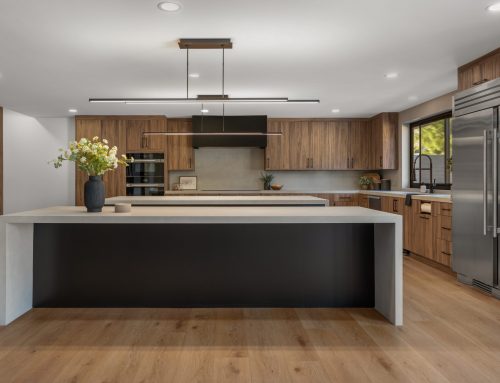
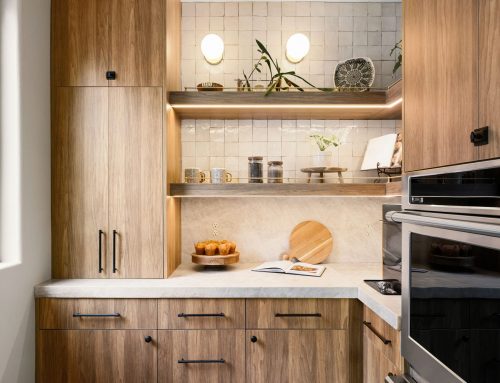
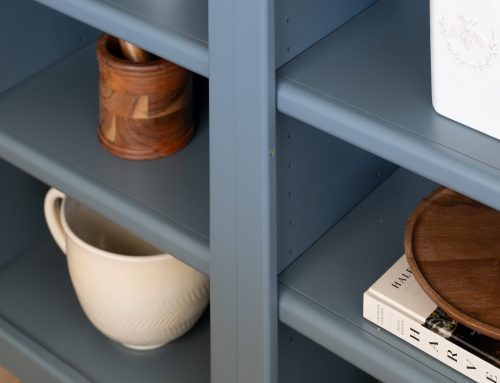
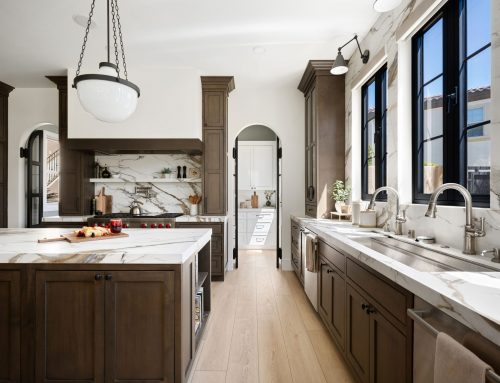
Luxury design is particularly well suited to this philosophy. Custom cabinetry, quality flooring, natural stone, and carefully crafted architectural details can provide lasting beauty while reducing unnecessary material consumption over time.
Prioritize Energy Efficiency
An energy-efficient home starts with its building envelope. High-quality insulation, properly sealed doors and windows, and efficient roofing systems help maintain comfortable indoor temperatures.
Heating and cooling systems also deserve careful consideration. High-efficiency HVAC equipment, smart thermostats, zoning systems, and advanced ventilation can reduce energy consumption while maintaining personalized comfort throughout the home.
LED lighting and energy-efficient appliances can provide additional savings.
In a sustainable modern house, these systems should work together rather than functioning as separate upgrades. Coordinating them during the design and construction process can produce a more efficient built home from the start.
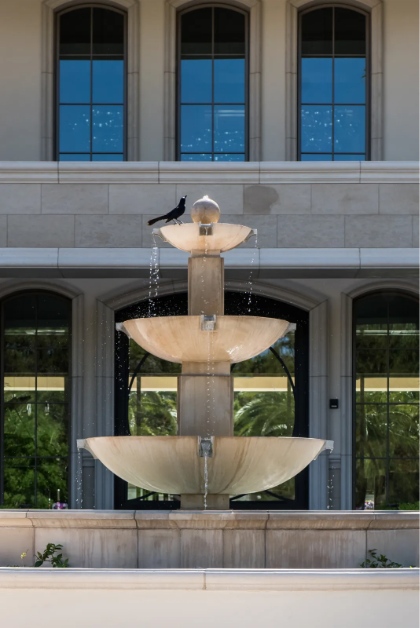
Incorporate Water Conservation
Energy receives significant attention in sustainable construction, but water conservation is equally important, particularly in dry climates.
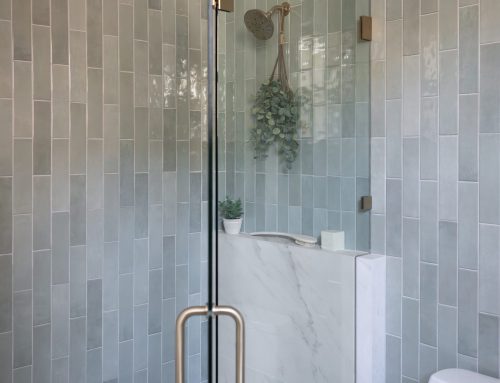
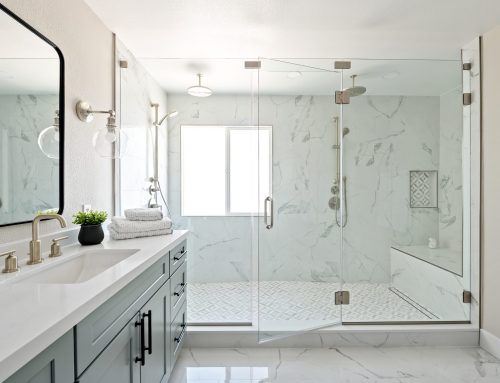
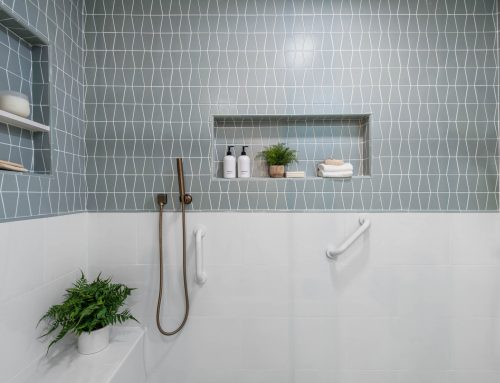
Low-flow plumbing fixtures can reduce consumption without compromising the luxurious experience homeowners expect. High-performance faucets, shower systems, and toilets are now available in sophisticated designs suitable for premium interiors.
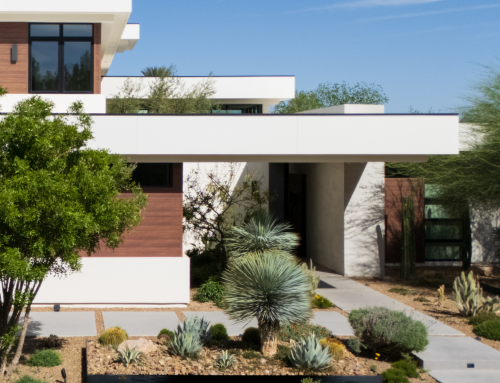
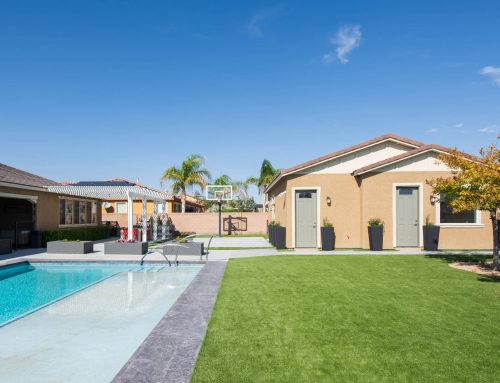
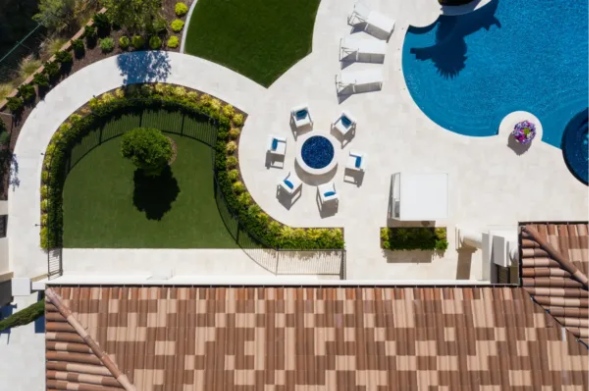
Outside, drought-tolerant landscaping can dramatically reduce irrigation requirements. Smart irrigation systems can further improve efficiency by adjusting watering schedules based on conditions.
Additional water conservation strategies can include rainwater collection or systems designed to reuse water where permitted by local regulations.
These features help lower resource consumption while creating landscapes and interiors that still feel intentional and refined.
Blend Sustainability With Luxury
One misconception surrounding eco-friendly home designs is that sustainable choices require sacrificing aesthetics. In reality, many sustainability principles align naturally with modern luxury.
Natural materials can add warmth and texture. Expansive windows create dramatic views. High-performance lighting enhances architectural features. Efficient smart-home systems provide greater control over comfort.
A sophisticated eco-friendly home design focuses on integrating these elements rather than displaying them as separate features.
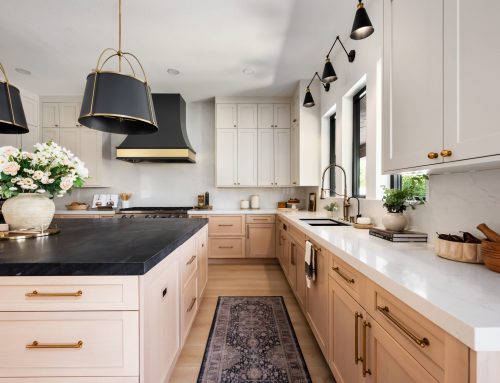
For example, custom cabinetry can conceal energy-efficient appliances. Solar technology can be coordinated with roof design. Smart controls can manage lighting, temperature, and window coverings from a streamlined interface.
The result feels luxurious because sustainability has been incorporated into the architecture from the beginning.
Design for Long-Term Living
One of the most overlooked elements of sustainability is longevity.
Trends change quickly, but thoughtful architecture can remain relevant for decades. Selecting timeless finishes, flexible floor plans, and durable materials can prevent a home from requiring major renovations every few years.
A well-planned sustainable home should also accommodate changing needs. Flexible rooms can transition from offices to guest suites, while accessible layouts can support comfortable living across different stages of life.
This long-term thinking helps reduce future construction waste while protecting the homeowner’s investment.
Creating Modern Sustainable Homes With Lasting Elegance
The most successful modern sustainable homes prove that environmental responsibility and luxury can complement each other beautifully. Sustainability does not have to define the visual style of the home. Instead, it can quietly influence how efficiently and comfortably the residence performs.
Creating an elegant, modern sustainable house requires coordination between architecture, interior design, construction, and building systems. Decisions about orientation, materials, natural light, energy efficiency, solar panels, and water conservation are most effective when considered together.
A custom-built home provides an ideal opportunity to incorporate these strategies from the earliest planning stages. Renovations can also introduce meaningful improvements through upgraded windows, insulation, appliances, fixtures, and mechanical systems.
Ultimately, a sustainable modern house is designed for more than today’s needs. It combines enduring architecture with intelligent resource use, helping reduce its environmental impact while creating a sophisticated place to live for years to come.