The Real Kitchen Remodel Timeline: A Designer’s Honest Breakdown for 2026
Most homeowners start their kitchen remodel with a clear picture of what they want the space to look like. What catches them off guard is how long it takes to get there. The kitchen remodel timeline is one of the most misunderstood parts of the entire renovation process, and the gap between expectations and reality is where frustration builds.
We asked Carrie Chowdhury, Lead Interior Designer at Kingdom & Co., to walk through the real timeline of a kitchen remodel: what takes the longest, where delays come from and what homeowners in Las Vegas should actually plan for heading into 2026.
Why Most Homeowners Underestimate Their Kitchen Remodel Timeline
The most common misconception is that the timeline starts when demolition begins. In reality, the timeline starts months before anyone picks up a hammer.
“Remodeling a kitchen involves many factors and homeowners may not realize how many decisions are needed early on before construction starts,” Carrie explains. “The pre-construction process includes material selections, cabinet layouts and organization, electrical plans. Once construction starts, delays can occur due to prolonged or delayed delivery dates, material damage or scheduling conflicts.”

That gap between what homeowners expect and what actually happens usually comes down to one thing: underestimating the design phase. Most people assume that choosing cabinets and countertops takes a week or two. In practice, it involves dozens of coordinated decisions that all depend on each other. A countertop slab affects the backsplash. The backsplash affects the paint color. The cabinet layout affects the electrical plan. Change one and the rest shift with it.
This is why experienced design-build firms invest so much time in planning before a single wall is touched. The goal is to make construction predictable rather than reactive.
The Two Phases Every Kitchen Remodel Timeline Follows
Every kitchen remodel, regardless of size or budget, follows two distinct phases. Understanding what happens in each one is the key to setting realistic expectations.
Phase One: Pre-Construction (Design and Planning)
This is the phase most homeowners rush through or underestimate entirely. Pre-construction includes the initial consultation, site measurements, design concepts, material selections, cabinet layout and organization, appliance specifications, electrical planning and permitting.
Carrie puts it directly: “The pre-construction phase can sometimes take longer than the actual construction of the remodel.”
That might sound surprising, but it makes sense once you understand what is happening behind the scenes. Your designer is coordinating finishes, confirming lead times on materials, locking in appliance specs so cabinetry can be built to fit and making sure every trade has what they need before construction day one. At Kingdom & Co., this is built into our three-phase design-build process: consultation, design and construction. The design phase is where your timeline is either protected or lost.
“Having detailed plans in place ensures smoother construction,” Carrie adds.
When the design phase is thorough, the construction phase runs faster and with far fewer surprises. When it is rushed, that is when change orders, delays and budget overruns happen.
Phase Two: Construction
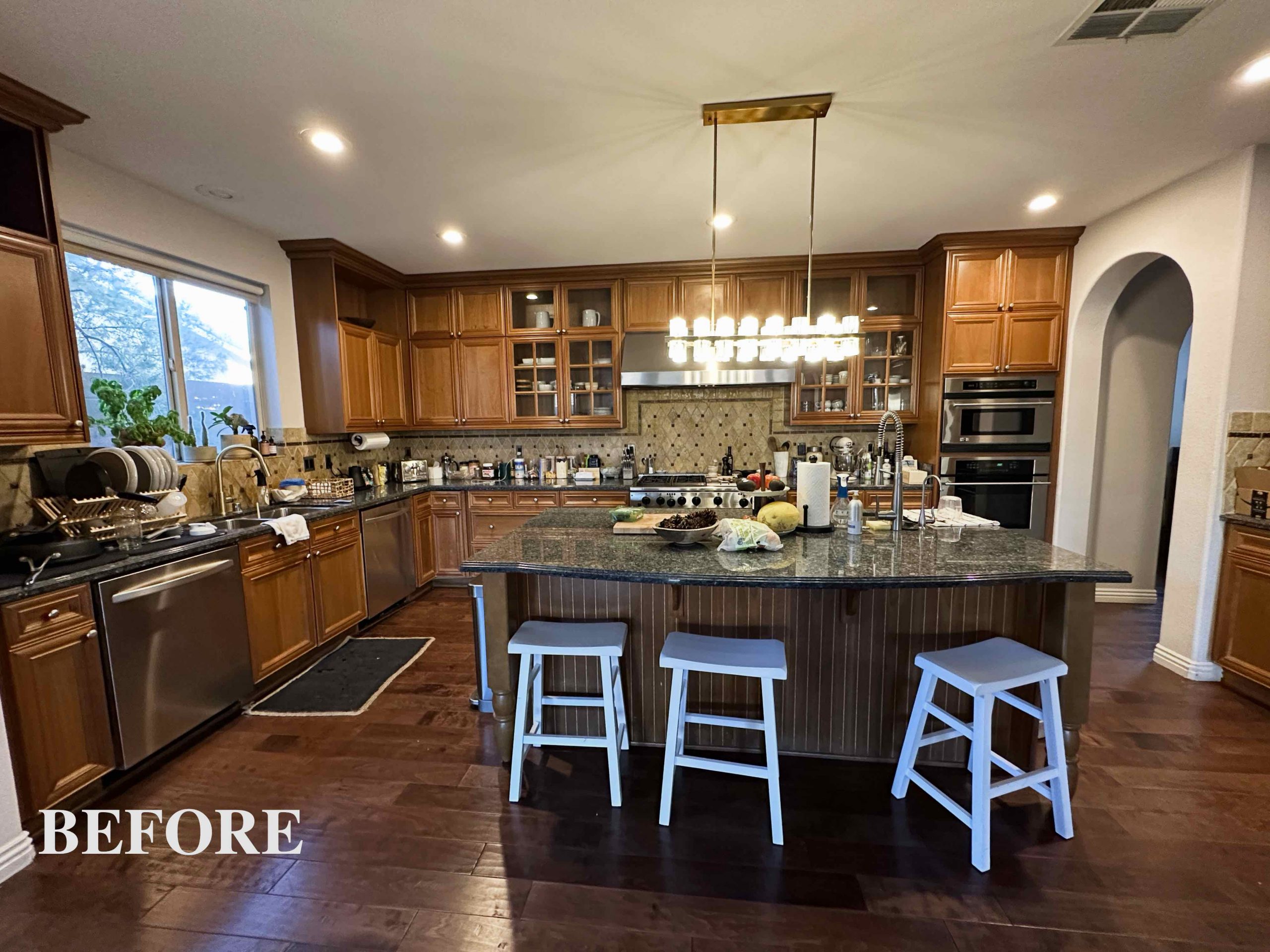
Once plans are finalized and materials are ordered, the construction phase begins. This includes demolition, framing and structural work (if walls are being moved), rough electrical and plumbing, cabinet installation, countertop templating and installation, backsplash, flooring, painting, appliance installation and final details.
The construction phase moves faster than most homeowners expect once it starts because the planning has already been done. The delays that do pop up during construction are usually tied to material logistics: a countertop slab that arrives damaged, a cabinet order that ships late or a specialty fixture with a longer lead time than expected.
This is also where the design-build model makes the biggest difference. When one team manages both design and construction, scheduling conflicts between separate contractors are eliminated and material issues get resolved faster because the designer and project manager are already in communication.

A Realistic Kitchen Remodel Timeline From Start to Finish
So how long does a kitchen remodel actually take? According to Carrie, “a good kitchen remodel timeline, including the design and construction phases, is anywhere from 12 to 16 weeks.”
That is the full timeline from your first design meeting through the day you cook your first meal in the finished kitchen. Here is a general breakdown of how those weeks typically distribute:
Weeks 1 to 6: Design and Pre-Construction Initial consultation, site assessment, design development, material selections, cabinet layout and ordering, electrical and plumbing planning, permitting (where required) and final plan approval.
Weeks 7 to 12: Construction Demolition, structural modifications, rough-in work (electrical, plumbing, HVAC), cabinet installation, countertop templating and fabrication, tile work, flooring, painting and appliance installation.
Weeks 13 to 16: Finishing and Punch List Final hardware installation, touch-ups, cleaning, fixture adjustments, final walkthrough and project closeout.
Every kitchen is different, and some projects will be shorter or longer depending on scope. But 12 to 16 weeks is the realistic range that accounts for both the planning and the building, which is the number that matters when you are making decisions about living arrangements, appliance storage and daily routines.
What Shortens or Extends a Kitchen Remodel Timeline
Several factors push the timeline in one direction or the other. Knowing them ahead of time helps you plan and avoid preventable delays.
What tends to shorten the timeline: A clear vision from the start. Homeowners who come into the design phase with a general direction (even if the details are not finalized) give their designer a head start. Selecting materials early also helps. Lead times on cabinets, countertops and specialty fixtures can range from four to ten weeks depending on the manufacturer, so locking those in during the design phase keeps construction on schedule.
Working with a single design-build team also compresses timelines. When the people designing the kitchen are the same people building it, handoff delays disappear and trade scheduling runs tighter.
What tends to extend the timeline: Late material selections are the most common cause. If countertop slabs are not chosen until construction is already underway, the project stalls while fabrication catches up. Damaged deliveries and back-ordered items add time as well.
Scope changes during construction are another major factor. Deciding mid-project that you also want to move a wall, add a pantry or upgrade your flooring means new plans, new permits and new lead times. That does not mean you cannot change your mind. It just means those changes have a timeline cost.
2026 Kitchen Design Trends Worth Planning For
Your remodel timeline does not exist in a vacuum. The materials and design direction you choose directly affect how long the project takes, because some selections have longer lead times than others. Here is what Carrie is seeing in 2026 and what it means for planning.
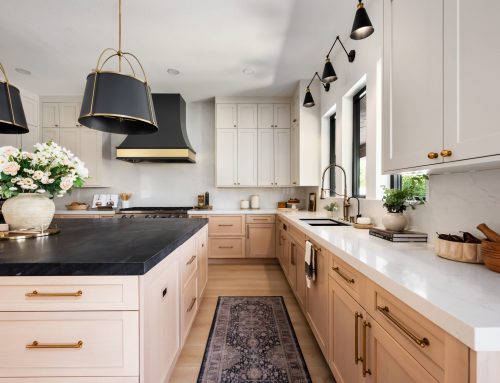
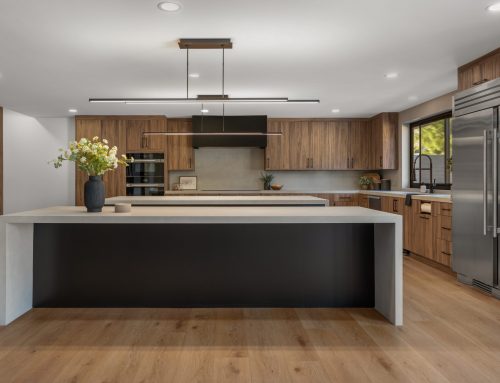
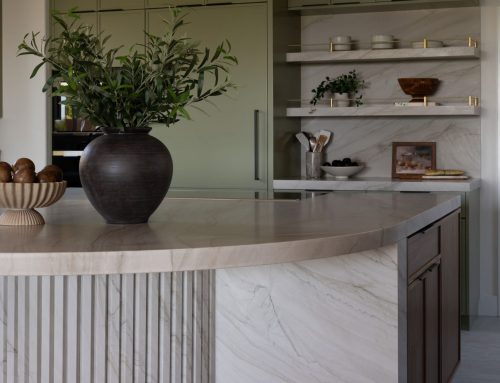
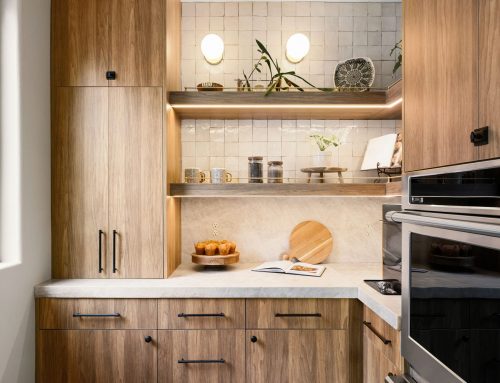
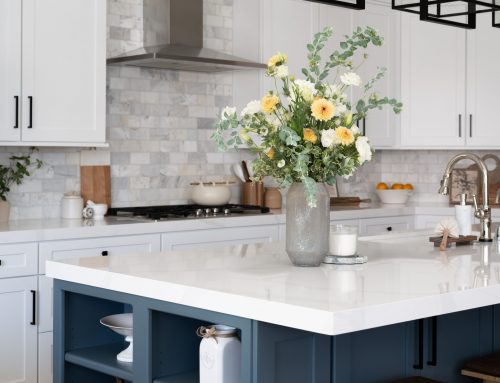
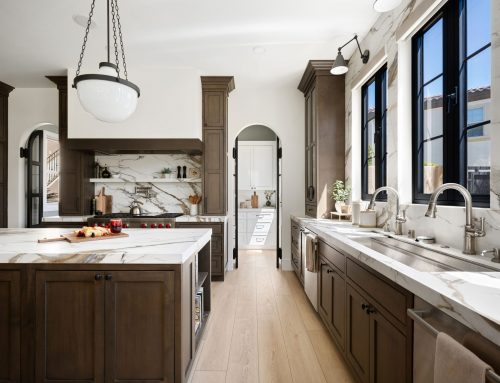
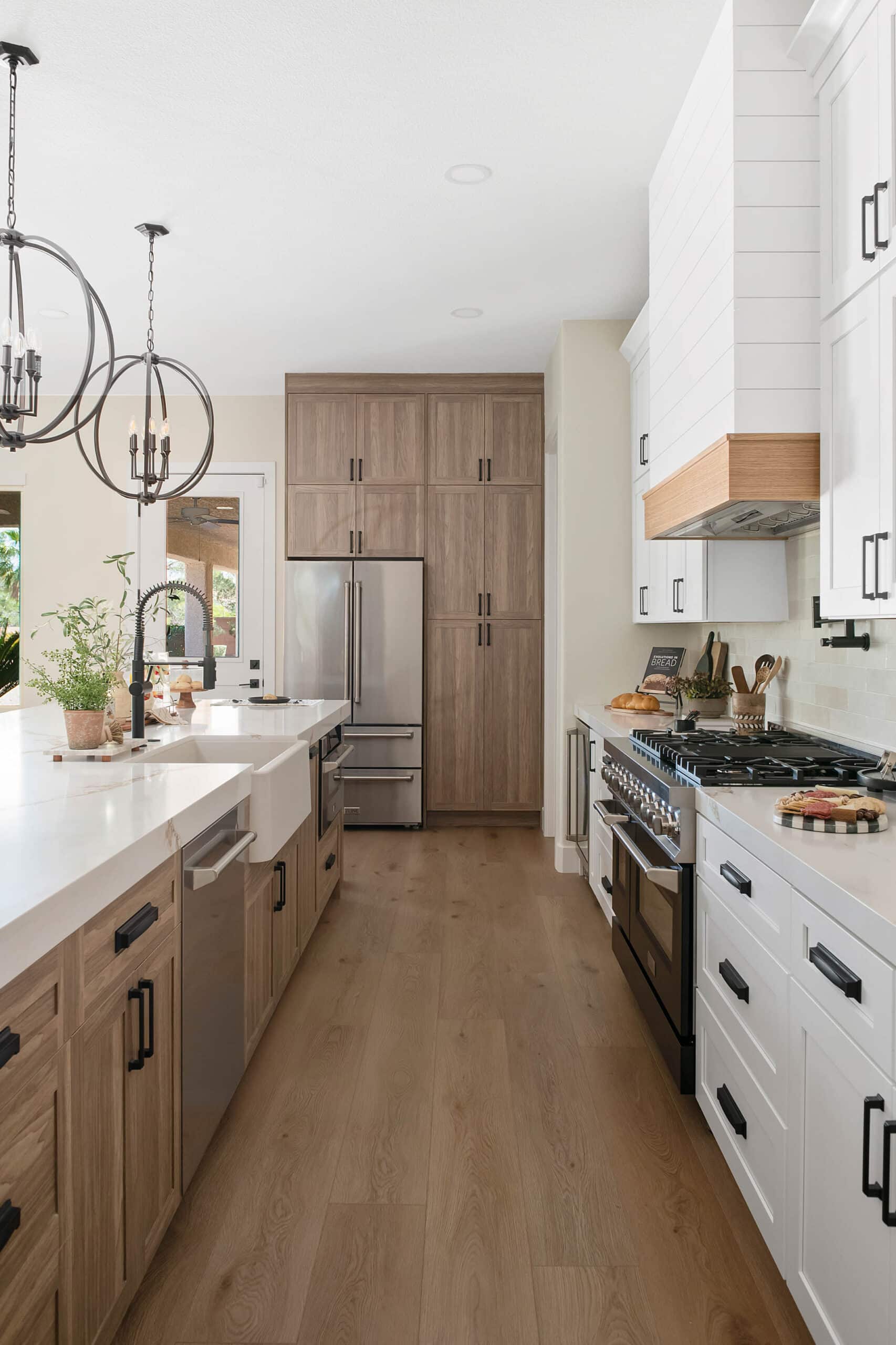
“In 2026, I see kitchens continuing to embrace a more transitional style, incorporating earth tones, warm wood cabinetry, natural quartzite slabs and neutral-colored backsplashes,” Carrie says. “The kitchen remains the heart of the home, a place where families gather to cook, connect and spend time together.”
That shift toward warmth and natural materials is not just aesthetic. It is functional. Homeowners are moving away from high-contrast, high-maintenance kitchens and toward spaces that feel calm and livable every day. Natural quartzite, for example, offers the visual depth of marble with significantly better durability for daily family use (something we explored in depth on the Magnolia Heights Estate project).
Carrie also notes a growing focus on organization and functionality: “There is also a growing focus on thoughtful details, with homeowners prioritizing large, functional spaces that offer plenty of organization and make everyday living feel easier and more beautiful.”
This means more custom cabinetry with built-in organizers, deeper drawers, integrated pantry systems and purpose-built storage for everything from spices to small appliances. From a timeline perspective, custom organizational features add time to the cabinet design phase but save time during construction because every element is planned and accounted for before it arrives.
Which Kitchen Trends Will Last and Which Will Not
Not everything trending right now will age well, and Carrie has a clear read on where the line falls.
“Some current kitchen trends that I see lasting a long time are warm wood-toned cabinetry and using a neutral color palette for countertops and backsplashes,” she says. “Kitchens that use vibrant colors, busy tile patterns and all-white cabinetry will begin to look very dated in the coming years.”
That is a meaningful insight for anyone planning a kitchen remodel in Las Vegas. If you are investing in a space you want to love for 10 to 15 years, the material and color choices you make now matter more than whatever is trending on social media this month.
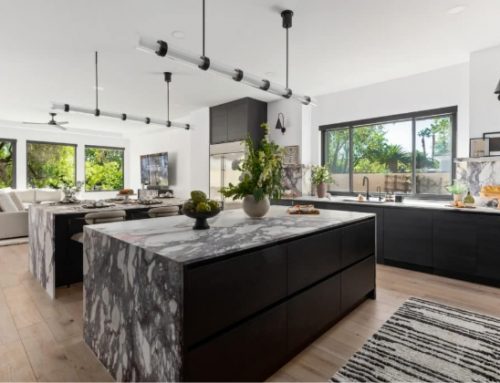
Warm wood tones and natural stone have a long track record in design history. They evolve with changing tastes rather than clashing with them. All-white kitchens, on the other hand, were a dominant trend for the better part of a decade, and many of those kitchens are already beginning to feel flat and one-dimensional as the market shifts toward texture and depth. You can see how Kingdom & Co. approaches this balance between current and lasting in our remodel portfolio.
Busy tile patterns present a similar risk. Bold geometric backsplashes can look striking on day one but tend to lock a kitchen into a specific moment in design culture. Neutral tiles with subtle texture or natural stone slabs give you visual interest without the expiration date.
The takeaway for your kitchen remodel timeline: choosing timeless materials during the design phase avoids a costly redesign five years from now.
Why the Design-Build Model Protects Your Timeline
One of the biggest threats to any remodel timeline is the gap between the designer and the builder. In a traditional remodel, a homeowner hires a designer to create plans and then separately hires a contractor to execute them. When those two parties do not communicate directly, information gets lost, timelines drift and the homeowner becomes the middleman.
The design-build approach eliminates that gap. When your designer and your construction team work under one roof, material selections are confirmed against real lead times, cabinet layouts are verified against structural conditions and electrical plans are coordinated with the design before permits are pulled.
At Kingdom & Co., our design-build process is structured specifically to protect the timeline. Our designers work directly with our in-house project managers, superintendents and carpenters to make sure the design phase produces plans that the construction team can execute without guesswork. That is why we have earned back-to-back NARI Remodeler of the Year awards and an A+ BBB rating. The process is designed to deliver what was promised, on the timeline that was set.
Ready to Start Planning Your Kitchen Remodel?
If you are thinking about remodeling your kitchen in 2026, the best time to start planning is now. The design phase takes time and starting early means your construction window opens when you are ready rather than when you are scrambling.
Kingdom & Co. designs and builds luxury kitchen remodels throughout Las Vegas, Summerlin, Henderson, Southern Highlands and Centennial Hills. Our designers (including Carrie) work with you from the first material selection through the final walkthrough.
Browse our kitchen remodel portfolio to see what is possible, or schedule your consultation today to start building your kitchen remodel timeline.
FREQUENTLY ASKED QUESTIONS
Vibrant cabinet colors, busy tile patterns and all-white cabinetry are the trends most likely to age poorly. While they may look striking initially, these choices tend to lock a kitchen into a specific design moment rather than evolving with changing tastes. Warm wood tones and neutral natural stone have a much longer track record and tend to age well across decades of shifting design preferences.
In 2026, kitchens are moving toward a transitional style that blends warmth with function. Popular choices include warm wood-toned cabinetry, natural quartzite countertops, earth-tone palettes and neutral-colored backsplashes. Homeowners are also prioritizing organization and functionality, choosing large custom pantry systems, deeper drawers and built-in storage solutions that make daily living easier.
The most common causes are late material selections, damaged or delayed deliveries, back-ordered items and scope changes made during construction. Prolonged lead times on custom cabinets or specialty countertop slabs can also push the timeline. Working with a design-build firm reduces many of these risks because the design and construction teams coordinate schedules and logistics together from the start.
The pre-construction and design phase often takes longer than the actual construction. This phase includes material selections, cabinet layout and organization, electrical plans, appliance specifications and permitting. Most homeowners underestimate how many coordinated decisions need to happen before demolition begins. When this phase is thorough, the construction phase runs faster and with fewer delays.
A realistic kitchen remodel timeline, including both the design phase and the construction phase, is 12 to 16 weeks. The design and pre-construction phase typically accounts for about half of that total timeline. Exact duration depends on the scope of work, material lead times and whether structural changes are involved. Starting the design phase early is the most effective way to keep the overall timeline on track.