LVP Flooring for Pet Owners: The Complete Guide to Durable, Scratch-Resistant Floors
Pets make a house feel like home, but they can also put your floors through serious punishment. Between muddy paw prints, the occasional accident, and the relentless click of nails across every room, choosing the right flooring becomes one of the most practical decisions a homeowner can make. If you have been researching options, you have likely come across LVP flooring for pet owners as a top recommendation, and for good reason.
Luxury vinyl plank (LVP) has evolved well beyond the thin, peeling vinyl tiles of decades past. Today’s products combine a realistic wood or stone appearance with a waterproof core, a scratch-resistant wear layer, and a resilient surface that stays comfortable underfoot, even during a Las Vegas summer when indoor temperatures can climb before the AC catches up. This guide breaks down exactly why LVP works so well in pet-friendly homes, what to look for when shopping, and how to get the most life out of your investment.
What Is LVP and Why Does It Suit Pet-Friendly Homes?
Luxury vinyl plank is a multi-layer engineered flooring product designed to mimic the look of hardwood or natural stone while delivering performance that solid wood simply cannot match in high-traffic, pet-heavy environments. Each plank typically includes a UV-coated top layer, a transparent wear layer, a printed design layer, a rigid or flexible core, and an attached or separate underlayment.
The Core Types: WPC vs. SPC
LVP comes in two primary core constructions. WPC (wood polymer composite) cores offer a softer feel underfoot and better sound absorption. SPC (stone polymer composite) cores are denser and more dimensionally stable, which matters in Las Vegas homes where interior temperatures can swing significantly between seasons. SPC’s mineral-based core resists expanding and contracting, making it the preferred option for desert climates according to flooring industry professionals at the National Wood Flooring Association (NWFA).
Why Pets and LVP Get Along
- Waterproof rigid cores prevent moisture from pet accidents seeping into subfloors
- Wear layers of 12 to 28 mil guard against scratches from nails and claws
- Textured surfaces provide better traction than smooth hardwood or polished tile
- Resilient construction absorbs impact, easing joint stress for aging pets
- Simple click-lock installation means damaged planks can be replaced individually

Key Features to Look for When Choosing LVP Flooring for Pet Owners
Not every luxury vinyl plank is built to handle life with pets. Knowing which specifications actually matter helps you avoid overspending on marketing claims that do not translate to real-world durability.
Scratch Resistance and Wear Layer Thickness
The wear layer is the transparent top coating that shields the printed design from scratches, scuffs, and stains. For homes with pets, look for a minimum of 20 mil. Products in the 20 to 28 mil range handle daily claw traffic without showing wear patterns for years. The Resilient Floor Covering Institute (RFCI) notes that wear layer thickness is one of the most reliable indicators of long-term performance in residential applications.
Waterproof Core Construction
A truly waterproof core, whether WPC or SPC, prevents liquids from reaching the subfloor. This is non-negotiable in a pet household. Unlike laminate, which swells when exposed to standing moisture, LVP’s core stays dimensionally stable even when accidents go unnoticed for hours. In Las Vegas, where HVAC systems run constantly and indoor humidity stays low, a waterproof core also guards against the micro-cracks that dry air can cause in less resilient materials.
Surface Texture and Traction
Embossed-in-register (EIR) textures give LVP planks a natural wood grain feel while improving traction for pets. Dogs that slip on smooth hardwood or polished tile often find much better footing on textured LVP. This is especially relevant for senior pets or breeds prone to hip dysplasia, where secure footing helps prevent injury.
Low-VOC and Indoor Air Quality
Pets spend the majority of their time on or near the floor, making indoor air quality a genuine concern. Choose LVP that carries FloorScore or Greenguard Gold certification, which verifies low volatile organic compound emissions. The EPA’s indoor air quality guidelines recommend selecting building materials tested to meet CDPH Standard Method v1.2, and most reputable LVP manufacturers now comply.
LVP vs. Other Pet-Friendly Flooring Options
LVP is not the only flooring that works in homes with animals, but it hits a balance of durability, comfort, aesthetics, and cost that other materials struggle to match simultaneously.
LVP vs. Porcelain and Ceramic Tile
Tile is waterproof and scratch-resistant, and it performs beautifully in the Las Vegas heat. However, tile is hard and cold underfoot, which can be uncomfortable for pets who lie on the floor for extended periods. Grout lines also collect pet hair and require regular sealing to prevent staining. LVP offers similar water resistance with a warmer, softer surface and no grout maintenance.
LVP vs. Engineered Hardwood
Engineered hardwood brings undeniable warmth and character to a room, and it can be refinished to remove surface damage. But even top-coated engineered wood is susceptible to scratches from pet nails, and standing moisture from accidents can compromise the bonding between layers. For homeowners who love the hardwood aesthetic but need pet-grade resilience, LVP delivers the look without the vulnerability. If you are also considering incorporating European hardwood in less trafficked areas, pairing it with LVP in high-activity zones gives you the best of both materials.
LVP vs. Laminate
Laminate has improved significantly, but most products still lack a truly waterproof core. The photographic layer can look convincing, yet laminate edges swell when exposed to moisture, leading to buckling. In a home with pets, where water bowls tip and accidents happen, LVP’s waterproof construction makes it the more reliable long-term choice. Floor Covering Weekly has noted the continued market shift from laminate to rigid-core LVP in residential remodeling, driven largely by moisture performance.

How LVP Performs in the Las Vegas Desert Climate
Las Vegas homeowners face flooring challenges that simply do not apply in milder regions. Summer exterior temperatures regularly exceed 115 degrees Fahrenheit, and indoor environments swing from intensely air-conditioned to warm when systems cycle. Low ambient humidity means materials prone to shrinkage or cracking face an uphill battle year-round. SPC luxury vinyl plank is particularly well suited here. Its rigid mineral core resists the dimensional changes that temperature and humidity fluctuations cause in wood-based products. Unlike solid hardwood, which can gap and cup in dry desert air, SPC LVP maintains its form. This stability also means fewer callbacks after installation, a practical benefit for homeowners working with a design-build firm on a whole-home renovation where consistency across rooms matters. For pet owners specifically, the desert climate adds another consideration: pets track in fine desert sand and grit, which acts like sandpaper on soft flooring surfaces. LVP’s tough wear layer handles this abrasive debris far better than hardwood or laminate, especially when paired with a simple daily sweep or robot vacuum routine.
Design Options: Realistic Wood and Stone Looks
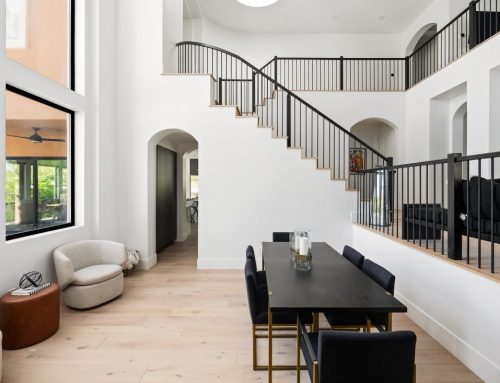
One of the biggest advantages of modern LVP is the range of design possibilities. Digital printing technology and embossed-in-register texturing now produce planks that are genuinely difficult to distinguish from real wood or stone, even at close range.
Wood-Look LVP
Oak, walnut, hickory, and reclaimed barn-wood patterns are among the most popular. Wider planks (seven inches and above) with longer lengths create a more authentic appearance and reduce the visible repetition of print patterns. Matte and wire-brushed finishes tend to hide pet-related wear better than high-gloss options.
Stone-Look LVP
Concrete, travertine, and slate looks suit contemporary and transitional Las Vegas interiors. Large-format vinyl tiles can replicate the look of natural stone without the weight, cold surface, or grout maintenance. For pet owners, stone-look LVP offers the visual impact of tile with the comfort and traction pets need.

Installation Considerations for Pet Owners
How LVP is installed matters nearly as much as which product you choose, particularly in a household with pets.
Floating vs. Glue-Down Installation
Floating click-lock installations are the most common for residential LVP. Planks snap together over an underlayment without adhesive, which means individual planks can be lifted and replaced if damaged. Glue-down installation creates a more rigid floor with less hollow sound underfoot, but replacing a single plank is more involved. For pet households, floating installations generally offer a better balance of performance and repairability.
Subfloor Preparation in Las Vegas Homes
Many Las Vegas homes sit on concrete slabs, which must be level and dry before LVP installation. Desert conditions typically keep slabs dry, but homes with landscape irrigation near foundations should be tested for moisture vapor emissions. A properly prepared subfloor prevents planks from telegraphing imperfections and ensures the locking system stays tight over time.
Transition Strips and Thresholds
Pets move between rooms constantly, so smooth transitions between flooring types reduce tripping hazards for both animals and people. T-moldings and reducer strips should be flush-mounted and secured to prevent curious pets from prying them loose.
Working with a Design-Build Firm for Whole-Home Flooring
Selecting flooring for a single room is straightforward enough, but planning cohesive flooring across an entire home, especially during a renovation, calls for a more coordinated approach. A design-build firm integrates design and construction under one team, which means your flooring choices are coordinated with cabinetry, paint, lighting, and layout from day one rather than treated as an afterthought.
This matters for pet owners because flooring decisions affect more than aesthetics. The transition between LVP in living areas and tile in a mudroom, the direction planks run relative to natural light, and the underlayment chosen for sound control on upper floors are all details that benefit from professional planning. Understanding why a design-build approach works can help you see how every material choice connects to the bigger picture.
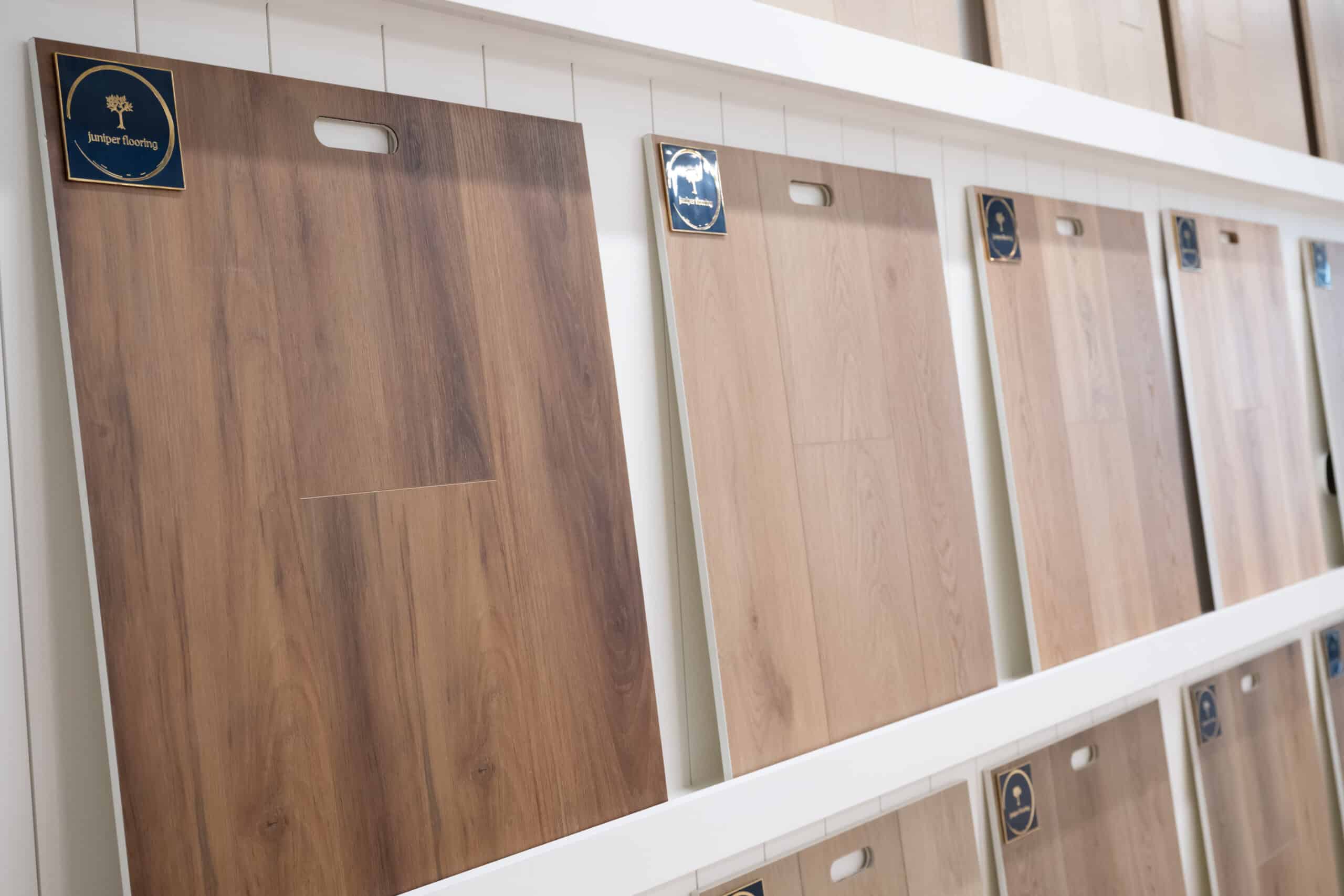
Kingdom & Co., a luxury design-build firm in Las Vegas, offers Kingdom Flooring, a curated flooring line featuring premium LVP and SPC options selected by their interior designers. Rather than sorting through hundreds of product lines on your own, you can work directly with a designer who understands which wear layers, core constructions, and textures perform best in pet-friendly Las Vegas homes. Clients are welcome to visit the Kingdom & Co. studio to view the flooring and cabinetry collection in person, a step that makes it much easier to compare colors and textures against your existing finishes.
Maintaining LVP in a Pet-Friendly Home
LVP is low-maintenance by design, but a few habits will keep your floors looking sharp for years, even with active pets in the house.
Daily and Weekly Care
- Sweep or vacuum daily to remove pet hair, desert grit, and debris that can micro-scratch the surface over time
- Use a damp mop with a pH-neutral vinyl floor cleaner weekly; avoid steam mops, which can damage adhesive bonds
- Wipe up pet accidents promptly; while the core is waterproof, standing liquid on seams can eventually work its way to edges
Preventing Damage
- Keep pet nails trimmed regularly to reduce surface scratching
- Place mats at exterior doors to catch sand and grit, which are unavoidable in the Las Vegas valley
- Use felt pads under furniture legs to prevent indentation from heavy pieces
- Avoid rubber-backed rugs, which can discolor vinyl over time; opt for rugs with felt or woven backings
Addressing Scratches and Wear
Minor surface scratches can sometimes be buffed with a manufacturer-approved repair kit. For deeper damage, the advantage of a floating LVP installation is the ability to remove and replace individual planks without disturbing the rest of the floor, a far simpler fix than patching hardwood or re-grouting tile.
Frequently Asked Questions
Absolutely. If you are in the Las Vegas area, Kingdom & Co. invites clients to visit their studio to view the Kingdom Flooring collection, which includes designer-selected LVP and SPC options. Seeing samples in person helps you evaluate color, texture, and thickness so the flooring you choose fits your home and lifestyle.
Quality LVP with a thick wear layer typically lasts 15 to 25 years, even in active pet households, when properly maintained. Factors like wear layer thickness, the quality of the locking system, and daily upkeep all influence longevity. Routine sweeping and prompt cleanup of accidents go a long way.
Look for LVP products certified under FloorScore or Greenguard Gold, which test for low VOC emissions. These certifications indicate the flooring meets strict indoor air-quality standards safe for both people and animals. Most reputable manufacturers now offer certified options across their product lines.
SPC (stone polymer composite) LVP is engineered with a rigid mineral core that resists expansion and contraction, making it well suited for the wide temperature swings common in desert climates. Standard WPC options may flex slightly more, so SPC is generally the preferred choice for Las Vegas installations.
LVP is significantly warmer and softer underfoot than ceramic or porcelain tile, which matters for pets who spend much of their day lying on the floor. The resilient vinyl layers and optional underlayment provide cushioning that tile simply cannot match, reducing joint strain for older animals.
No flooring is completely scratch-proof, but LVP with a wear layer of 20 mil or thicker resists scratches from most pets remarkably well. Larger breeds with heavier nails may leave faint surface marks over time, but these are far less noticeable than scratches on hardwood or laminate. Keeping nails trimmed and using entry mats helps extend the life of any LVP floor.
Ready to Find the Right Flooring for Your Pet-Friendly Home?
Choosing LVP flooring for pet owners is one of the smartest investments you can make for a Las Vegas home shared with animals. The right product combines scratch resistance, waterproof protection, and design flexibility in a way that few other materials can match.
If you are planning a renovation or simply ready to replace worn-out floors, Kingdom & Co. can help you explore the Kingdom Flooring collection of designer-selected LVP and SPC options built for real life with pets. Visit the studio to see and feel samples in person, or reach out to start a conversation about your project. Your pets will not care what the floor looks like, but they will certainly appreciate how it feels.