Inside Kingdom & Co.
Hosted by Lincoln Rogers and the Kingdom & Co. team, we started this podcast to pull back the curtain on the design-build world. This podcast was born from a desire to bring clarity and confidence to a process that often feels overwhelming. Whether you're renovating, building from the ground up, or simply exploring your options, we're here to offer refined insight and trusted guidance. From navigating timelines and budgets to understanding design choices and construction challenges, this podcast is your guide to a smoother, smarter experience from concept to completion.
Santa Barbara Estate: The Entryway | Inside Kingdom & Co. Podcast
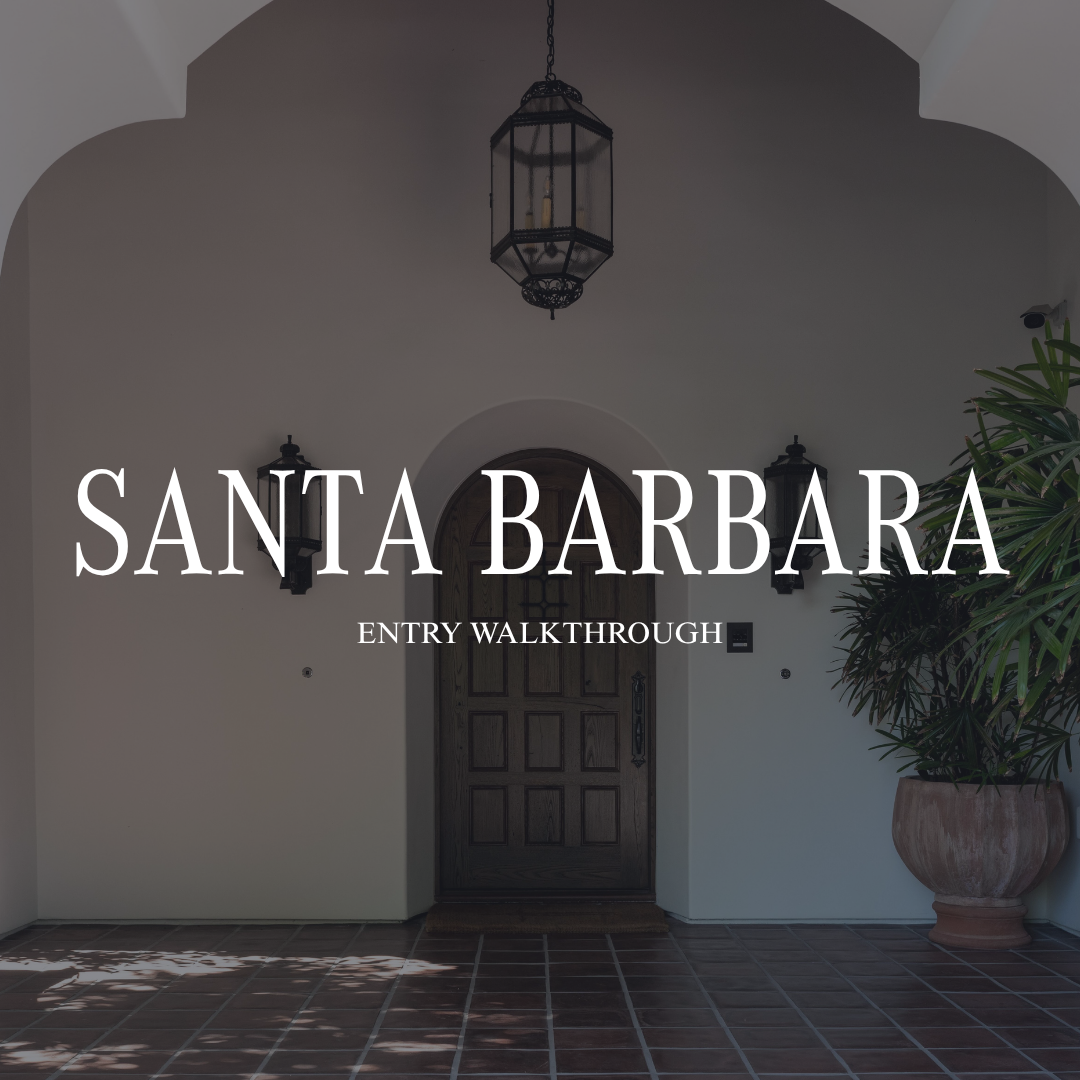
In this episode of Inside Kingdom & Co., Lincoln Rogers and John McDonough walk through the entryway of the Santa Barbara Estate — a four-year custom build blending 1920s Santa Barbara architecture with resort-level craftsmanship. They break down the exposed rafter tile ceiling, hand-painted tile rug, flickering gas lanterns, chamfered doorways, and the solid wrought iron staircase featuring hand-twisted pickets and a continuous handrail with no welds.
Lincoln: So one of the houses that John McDonough built that is absolutely incredible that when he was telling us the story about this and explaining all the details to this home and he was showing me some pictures and I just, my mind was blown, I’m like, John, we need to talk more about this.
And so we’re really excited for John to show us around one of the most beautiful homes in Las Vegas that’s been ever done and kind of go through the details, the architecture and all the details that John had to put through because you, it took you three to four years?
John: Four years, yeah.
Four year project.
In this project, the owner really wanted this to have a 1920s Santa Barbara feel and he hired an architect out of Santa Barbara to work on this project and as you see as we go through it, the details are just true Santa Barbara details that you don’t see in Las Vegas.
Lincoln: When I, when I walked through this house for the first time, in my mind, it was a combination of a resort, a museum and a custom home all mixed to one.
John: That’s a good way to label it.
Lincoln: And the way the details and the, and just the amount of effort that took place here is a masterpiece.
Explain to us the ceiling.
John: So this is something you don’t see too often where you actually have the real rafters coming through and the tile with no plywood or anything on top.
So you’re actually seeing the bottom pieces of each tile on the lid and it takes a lot of coordination to get everything lined up exactly right.
So you don’t see any nails, any screws and it looks like you’re looking up at the tile, which you are.
Lincoln: Right.
It looks, it looks beautiful.
John: And if you look at like this front door, true, you know, Spanish style, two and a quarter, two and a half inch thick door with a true speakeasy that you can open and look through and that’s what the old houses had back in that day.
You know, one thing I love about this house is the, the, the gas lamps and this is something you see a lot in the South down in Louisiana.
This was something you saw a lot in the old Spanish homes and the flickering gas lamps that are throughout the property.
And I just love it at night.
It’s, it’s a real ambience as you’re walking up to the front door.
Lincoln: Love it.
John: Chamfered.
A lot of the architecture on the Spanish had chamfers, which this is called a chamfer here when it goes into the door.
Lincoln: Not a straight shot.
It’s at an angle.
John: It’s at an angle.
So you’ll see that a lot on the windows.
You’ll see it underneath balconies and we can point that as we go through.
Lincoln: Now, is that harder to do as a contractor?
John: Not necessarily.
No.
It’s just a framing detail that you have to have in framing.
Very cool.
All right.
So come on in.
Lincoln: Let’s go check out the rest of this house.
Lincoln: John, talk to us about the entryway.
What are some of the things that were challenging, some of the things that you guys focused on when it came to design, like talk to us about this.
John: Yeah.
So this entry, I love this entry.
First off, you see a tile rug on the floor.
It’s called a tile rug because they make it look like it’s a rug with the border and the hand-painted tiles on the inset and you have the same hand-painted tiles on the staircase.
This staircase took a lot of effort just because you have real solid three quarter inch hardwood.
All the pickets on the railing are solid.
They’re not hollow in the middle.
So to get this to twist and to get this bend in this was really challenging.
Our wrought iron guy told us he couldn’t do it and we challenged him and he was able to do it.
But each one is mounted below each one.
The detail of this is cut into each step.
Every single tread has that same detail.
And then the solid three quarter inch and a half on these treads all the way up.
Lincoln: So I noticed that you also took this type of style and you guys took it to the exterior as well.
So it all flows as one.
John: Correct.
Yeah.
And this is kind of a more, you’ll see this in the true old Spanish homes.
It’s not overly complicated, but I love the bow out the belly going around each one instead of mounting on the steps.
Takes a lot of framing challenges to get this because there’s so much weight bearing on each one of these that this all has to be blocked behind it.
Lincoln: And it’s so clean.
John: Yeah, it just looks, it looks amazing.
So I think the entryway is just beautiful in this home.
You look up, you see the artwork in the corner and we’ll talk about those art lights as we go into another room.
In this episode of Inside Kingdom & Co., Lincoln Rogers and John McDonough walk through the entryway of the Santa Barbara Estate — a four-year custom build blending 1920s Santa Barbara architecture with resort-level craftsmanship. They break down the exposed rafter tile ceiling, hand-painted tile rug, flickering gas lanterns, chamfered doorways, and the solid wrought iron staircase featuring hand-twisted pickets and a continuous handrail with no welds.
Lincoln: So one of the houses that John McDonough built that is absolutely incredible that when he was telling us the story about this and explaining all the details to this home and he was showing me some pictures and I just, my mind was blown, I’m like, John, we need to talk more about this.
And so we’re really excited for John to show us around one of the most beautiful homes in Las Vegas that’s been ever done and kind of go through the details, the architecture and all the details that John had to put through because you, it took you three to four years?
John: Four years, yeah.
Four year project.
In this project, the owner really wanted this to have a 1920s Santa Barbara feel and he hired an architect out of Santa Barbara to work on this project and as you see as we go through it, the details are just true Santa Barbara details that you don’t see in Las Vegas.
Lincoln: When I, when I walked through this house for the first time, in my mind, it was a combination of a resort, a museum and a custom home all mixed to one.
John: That’s a good way to label it.
Lincoln: And the way the details and the, and just the amount of effort that took place here is a masterpiece.
Explain to us the ceiling.
John: So this is something you don’t see too often where you actually have the real rafters coming through and the tile with no plywood or anything on top.
So you’re actually seeing the bottom pieces of each tile on the lid and it takes a lot of coordination to get everything lined up exactly right.
So you don’t see any nails, any screws and it looks like you’re looking up at the tile, which you are.
Lincoln: Right.
It looks, it looks beautiful.
John: And if you look at like this front door, true, you know, Spanish style, two and a quarter, two and a half inch thick door with a true speakeasy that you can open and look through and that’s what the old houses had back in that day.
You know, one thing I love about this house is the, the, the gas lamps and this is something you see a lot in the South down in Louisiana.
This was something you saw a lot in the old Spanish homes and the flickering gas lamps that are throughout the property.
And I just love it at night.
It’s, it’s a real ambience as you’re walking up to the front door.
Lincoln: Love it.
John: Chamfered.
A lot of the architecture on the Spanish had chamfers, which this is called a chamfer here when it goes into the door.
Lincoln: Not a straight shot.
It’s at an angle.
John: It’s at an angle.
So you’ll see that a lot on the windows.
You’ll see it underneath balconies and we can point that as we go through.
Lincoln: Now, is that harder to do as a contractor?
John: Not necessarily.
No.
It’s just a framing detail that you have to have in framing.
Very cool.
All right.
So come on in.
Lincoln: Let’s go check out the rest of this house.
Lincoln: John, talk to us about the entryway.
What are some of the things that were challenging, some of the things that you guys focused on when it came to design, like talk to us about this.
John: Yeah.
So this entry, I love this entry.
First off, you see a tile rug on the floor.
It’s called a tile rug because they make it look like it’s a rug with the border and the hand-painted tiles on the inset and you have the same hand-painted tiles on the staircase.
This staircase took a lot of effort just because you have real solid three quarter inch hardwood.
All the pickets on the railing are solid.
They’re not hollow in the middle.
So to get this to twist and to get this bend in this was really challenging.
Our wrought iron guy told us he couldn’t do it and we challenged him and he was able to do it.
But each one is mounted below each one.
The detail of this is cut into each step.
Every single tread has that same detail.
And then the solid three quarter inch and a half on these treads all the way up.
Lincoln: So I noticed that you also took this type of style and you guys took it to the exterior as well.
So it all flows as one.
John: Correct.
Yeah.
And this is kind of a more, you’ll see this in the true old Spanish homes.
It’s not overly complicated, but I love the bow out the belly going around each one instead of mounting on the steps.
Takes a lot of framing challenges to get this because there’s so much weight bearing on each one of these that this all has to be blocked behind it.
Lincoln: And it’s so clean.
John: Yeah, it just looks, it looks amazing.
So I think the entryway is just beautiful in this home.
You look up, you see the artwork in the corner and we’ll talk about those art lights as we go into another room.
Inside Kingdom & Co.
Hosted by Lincoln Rogers and the Kingdom & Co. team, we started this podcast to pull back the curtain on the design-build world. This podcast was born from a desire to bring clarity and confidence to a process that often feels overwhelming. Whether you're renovating, building from the ground up, or simply exploring your options, we're here to offer refined insight and trusted guidance. From navigating timelines and budgets to understanding design choices and construction challenges, this podcast is your guide to a smoother, smarter experience from concept to completion.