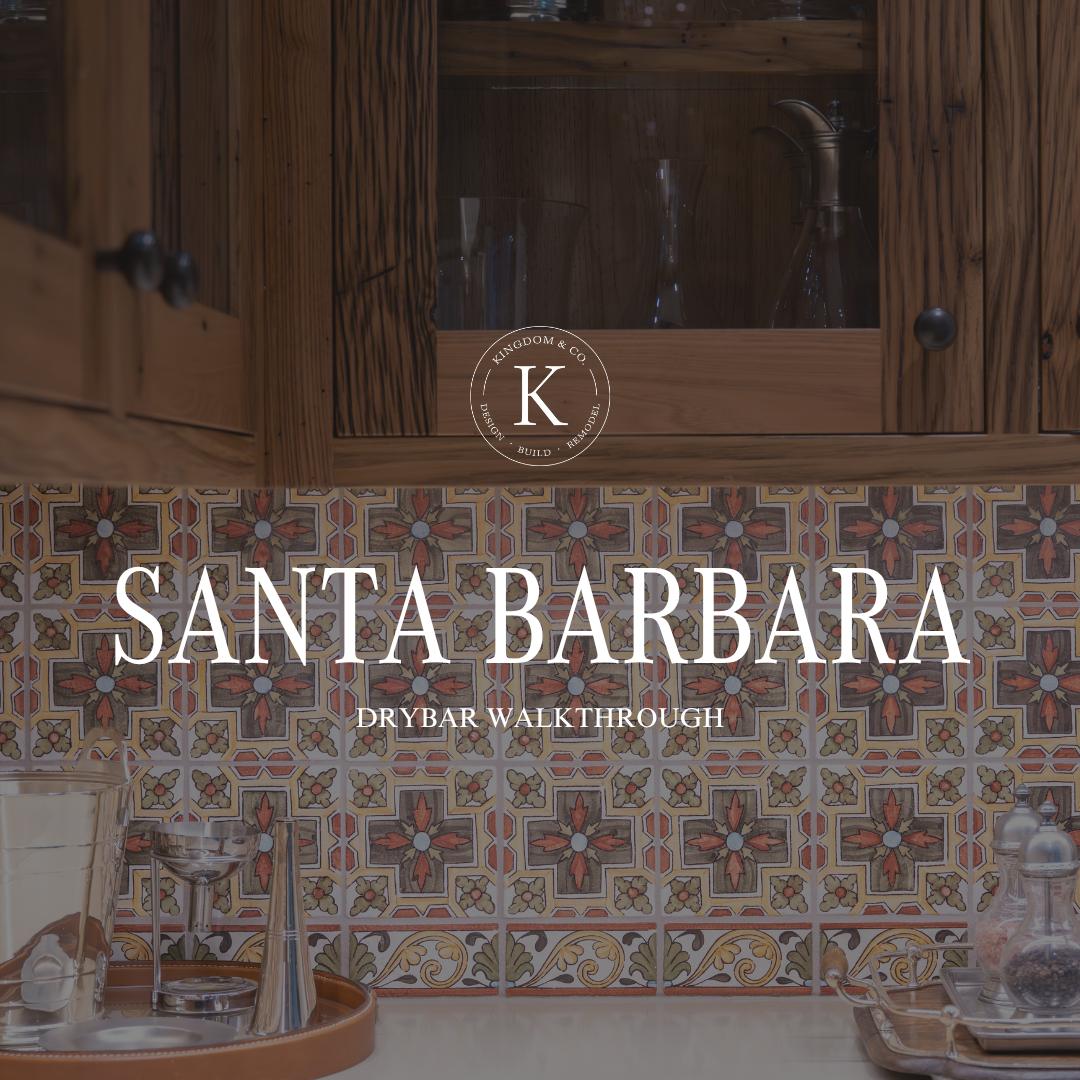
Santa Barbara estate dry bar with French porcelain countertops and rustic hickory cabinets

Inside Kingdom & Co.

Hosted by Lincoln Rogers and the Kingdom & Co. team, we started this podcast to pull back the curtain on the design-build world. This podcast was born from a desire to bring clarity and confidence to a process that often feels overwhelming. Whether you're renovating, building from the ground up, or simply exploring your options, we're here to offer refined insight and trusted guidance. From navigating timelines and budgets to understanding design choices and construction challenges, this podcast is your guide to a smoother, smarter experience from concept to completion.

Santa Barbara Estate: Dry Bar Walkthrough


In this episode of Inside Kingdom & Co., Lincoln Rogers and John McDonough walk through the dry bar at the Santa Barbara Estate. From French porcelain countertops that had to be fabricated to millimeter precision overseas to hand-painted Moroccan tiles shipped in panels from North Africa, every surface in this bar tells a story of craftsmanship and coordination. 


Lincoln: Okay, John, so tell us more, I remember you guys when we walked through this property and you were showing us and telling us these stories, this to me stood out a lot just because of how much went into these countertops that most nobody would ever understand or think of.

Explain this to us.

John: Right, so basically the owner didn’t want like a typical granite or quartz countertop in the kitchen.

He wanted this, it’s almost like a porcelain bowl, how they make porcelain.

So these countertops came out of France, they were literally made in France, they were put in containers and they were shipped here.

The challenge was you cannot cut this because it’s like porcelain.

So the measurements had to be perfectly, they’re within millimeters because they do their measurements in centimeters and millimeters over there.

So when we got the cabinetry in, we had to do templates.

We actually made wood templates of the countertops, shipped them to France with the measurements called out and they came back, and if you zoom in on these details, when you see this, the countertop looks like it’s got fine little hairline cracks like you’d see in old China.

So that’s what’s so impressive about it, but you just, I’ve never seen anything like this in a home and it’s such a stunning look.

Lincoln: Right.

Was there any challenges with doing this?

Is there anything that you look back on and like, oh man.

John: Yeah, it was super nerve wracking because if we made a measurement wrong or we didn’t have that right, you cannot cut this stuff.

So when it shows up, you better be spot on with your joints and your seams and the measurements or it wouldn’t work and then it would, you’re eating it.

Lincoln: How many times did you measure it?

John: Probably 10.

Me and my superintendent.

Lincoln: Yeah, a lot.

John: Hickory cabinets, this is a wood that he wanted this rustic hickory that you can see the old nail holes from when it was in like a barn or wherever they got it.

And it’s a really unique look, like I love the character of these cabinets.

Lincoln: Anything specific on the backsplash, I know there’s a lot of Moroccan tiles and things like that.

John: Yeah.

This is all handmade tile.

A lot of it we’ll show you later was actually from Morocco, but they panelized it and made it in panels and put it on in a shipping container and shipped it here all put together.

So once again, we had to make sure the measurements were perfect.

This is just six by six hand painted, but beautiful, beautiful tile.

Lincoln: Yeah, love it.
 

FREQUENTLY ASKED QUESTIONS
What are French porcelain countertops?2026-04-24T16:26:38-07:00

French porcelain countertops are a premium surface material fabricated in France from a porcelain-like composite that develops a distinctive hairline cracking pattern reminiscent of fine old china. In the Santa Barbara estate dry bar, Lincoln Rogers explains that these countertops were custom-ordered from a French workshop and shipped overseas specifically for this project. Because the material cannot be cut after fabrication, every measurement had to be exact before the slabs left France. Wood templates were built on-site and shipped to the fabricator so the finished pieces would fit precisely. The result is a one-of-a-kind countertop surface with the look and feel of antique porcelain.

Why are custom countertop measurements so critical for imported materials?2026-04-24T16:27:04-07:00

When working with materials like the French porcelain countertops in the Santa Barbara estate dry bar, measurements must be accurate to the millimeter because the finished product cannot be trimmed or adjusted after fabrication. Lincoln describes how John McDonough’s team built wood templates on-site and shipped them to the workshop in France so the artisans could fabricate the slabs to exact dimensions. A single measurement error would mean scrapping an irreplaceable piece and starting over with months of additional lead time. This level of precision is one reason a design-build approach is essential for projects that involve internationally sourced, custom-fabricated materials.

What are rustic hickory cabinets?2026-04-24T16:27:29-07:00

Rustic hickory cabinets are built from knotty hickory wood that features natural imperfections such as knot holes, old nail holes, and grain variation that give each piece a barn-reclaimed character. In the dry bar at the Santa Barbara estate, the hickory cabinetry was chosen to complement the more refined French porcelain countertops with a warm, textured contrast. The wood has a rugged, lived-in appearance that evokes old agricultural buildings and adds depth to the overall design of the bar. Each cabinet door and drawer front is unique because of the natural variation in the hickory, meaning no two panels look exactly alike.

What is hand-painted Moroccan tile?2026-04-24T16:27:50-07:00

Hand-painted Moroccan tile is artisan-made ceramic tile produced in Morocco, where individual tiles are painted by hand and then assembled into panels for shipping. In the Santa Barbara estate dry bar, these tiles were used as a backsplash in a 6×6 format, creating a richly textured backdrop behind the bar area. The tiles were shipped in pre-assembled panels inside containers, which required the on-site measurements to be precise so the panels would align correctly during installation. The hand-painted quality means slight variations in color and pattern across the surface, giving the dry bar backsplash an authentic, handcrafted warmth that cannot be replicated by machine-produced tile.

How does the Santa Barbara estate dry bar blend imported materials?2026-04-24T16:28:10-07:00

The dry bar at the Santa Barbara estate is a study in combining materials sourced from multiple countries into a cohesive design. French porcelain countertops provide a refined, antique-inspired surface, while hand-painted Moroccan tiles create a vibrant and textured backsplash. American rustic hickory cabinets ground the space with warmth and natural character. Lincoln Rogers and John McDonough discuss how coordinating these international shipments and ensuring every component fit together required meticulous planning from the earliest design phases. The finished room demonstrates how imported artisan materials can work alongside domestic wood to create a dry bar that feels both worldly and inviting.

Why use a design-build firm for custom material sourcing?2026-04-24T16:28:32-07:00

The Santa Barbara estate dry bar demonstrates why a design-build approach matters for projects with irreplaceable imported materials. Builder John McDonough — now with Kingdom & Co. — coordinated international shipments of French porcelain and Moroccan tile panels, aligning fabrication timelines, customs logistics, and on-site readiness so materials arrived when the space was prepared to receive them. Because materials like the porcelain countertops cannot be cut or modified after fabrication, the build team had to get measurements right the first time during construction. A design-build firm that manages both design decisions and construction execution under one contract eliminates the communication gaps that could lead to costly errors with one-of-a-kind materials.

RELATED EPISODES
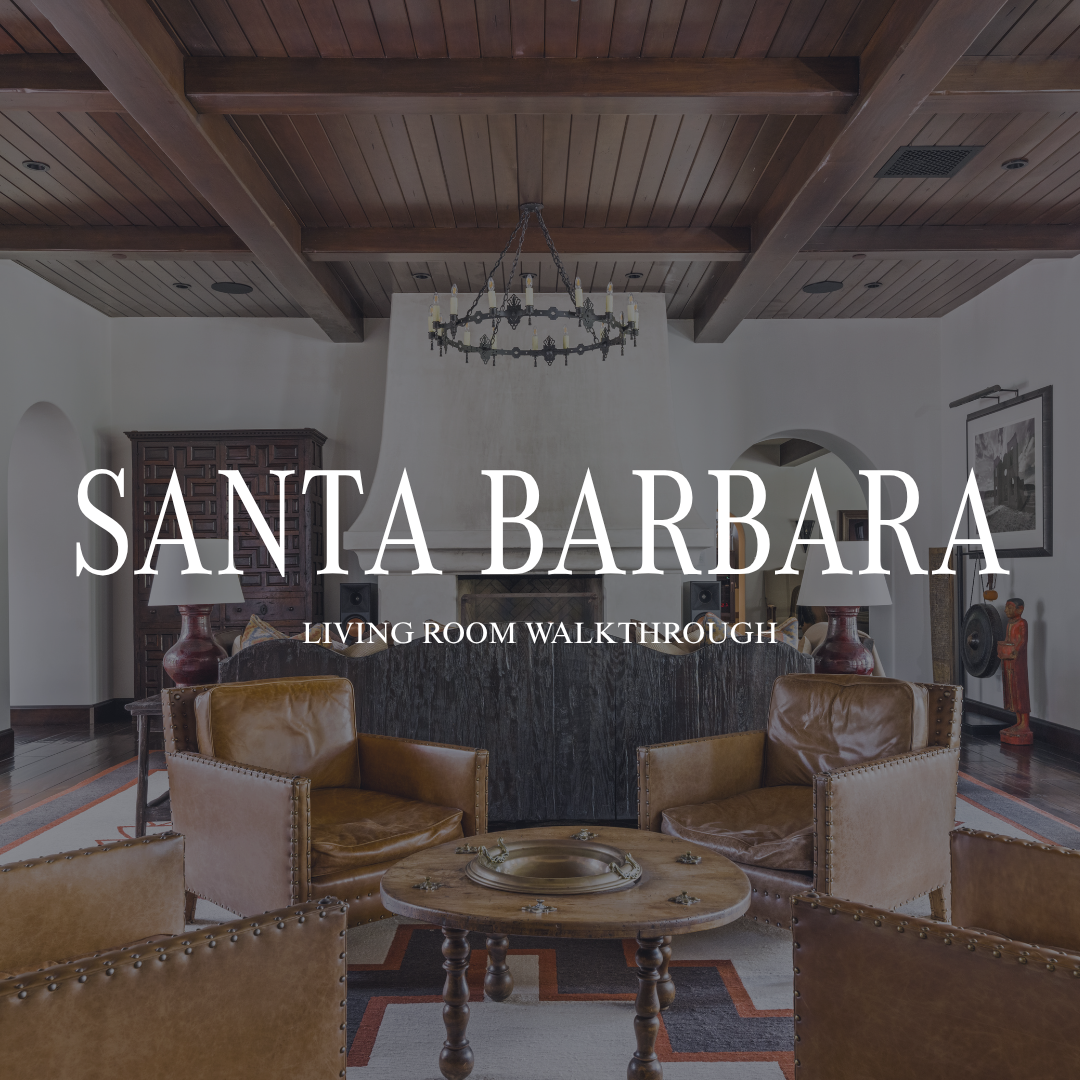
Inside Kingdom and Co. podcast Santa Barbara Estate living room walkthrough with leather seating and wood beam ceiling

Santa Barbara Estate: The Living Room | Inside Kingdom & Co. Podcast

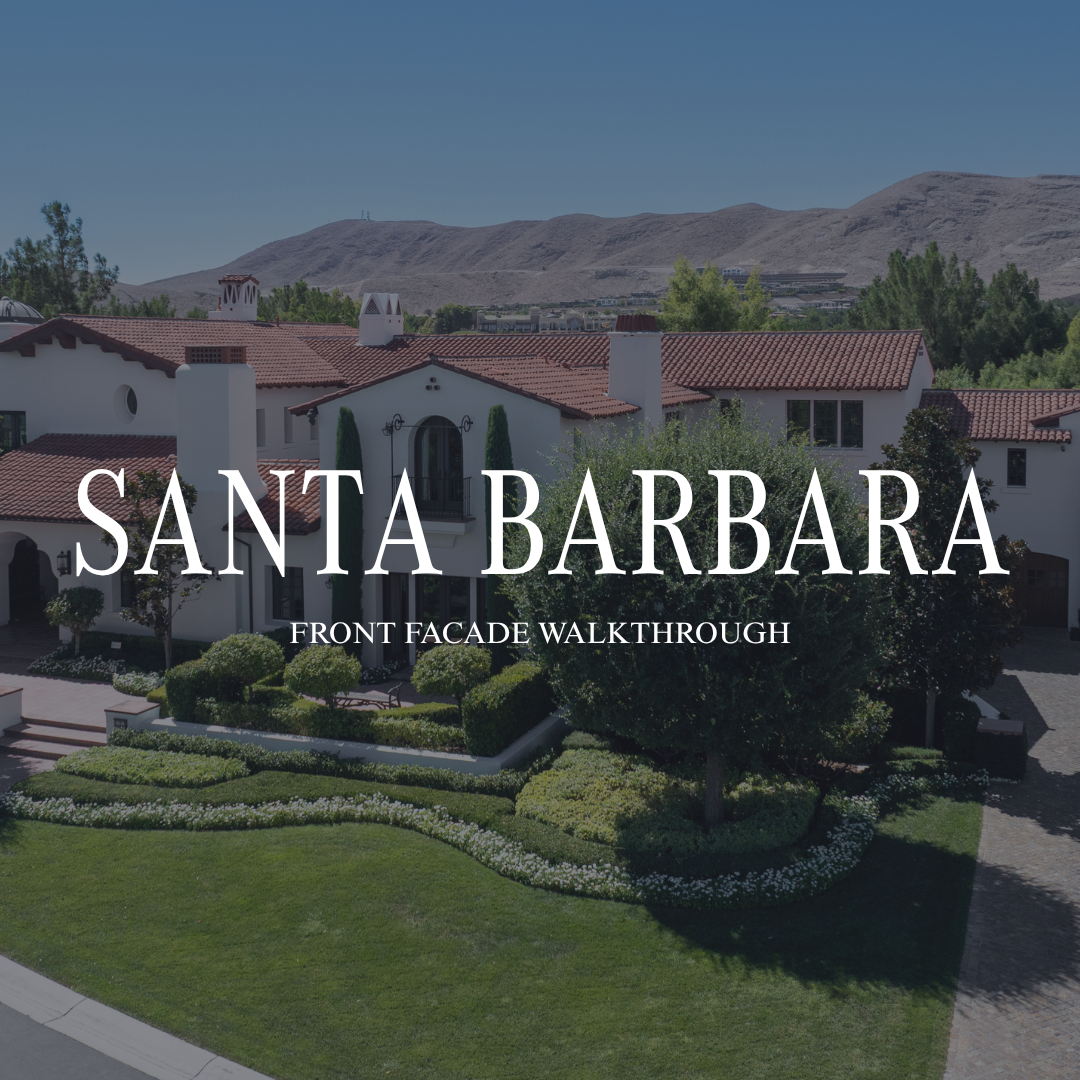
Inside Kingdom and Co. podcast Santa Barbara Estate front facade walkthrough with Spanish-style exterior and terra cotta roof

Santa Barbara Estate: The Front Facade | Inside Kingdom & Co. Podcast

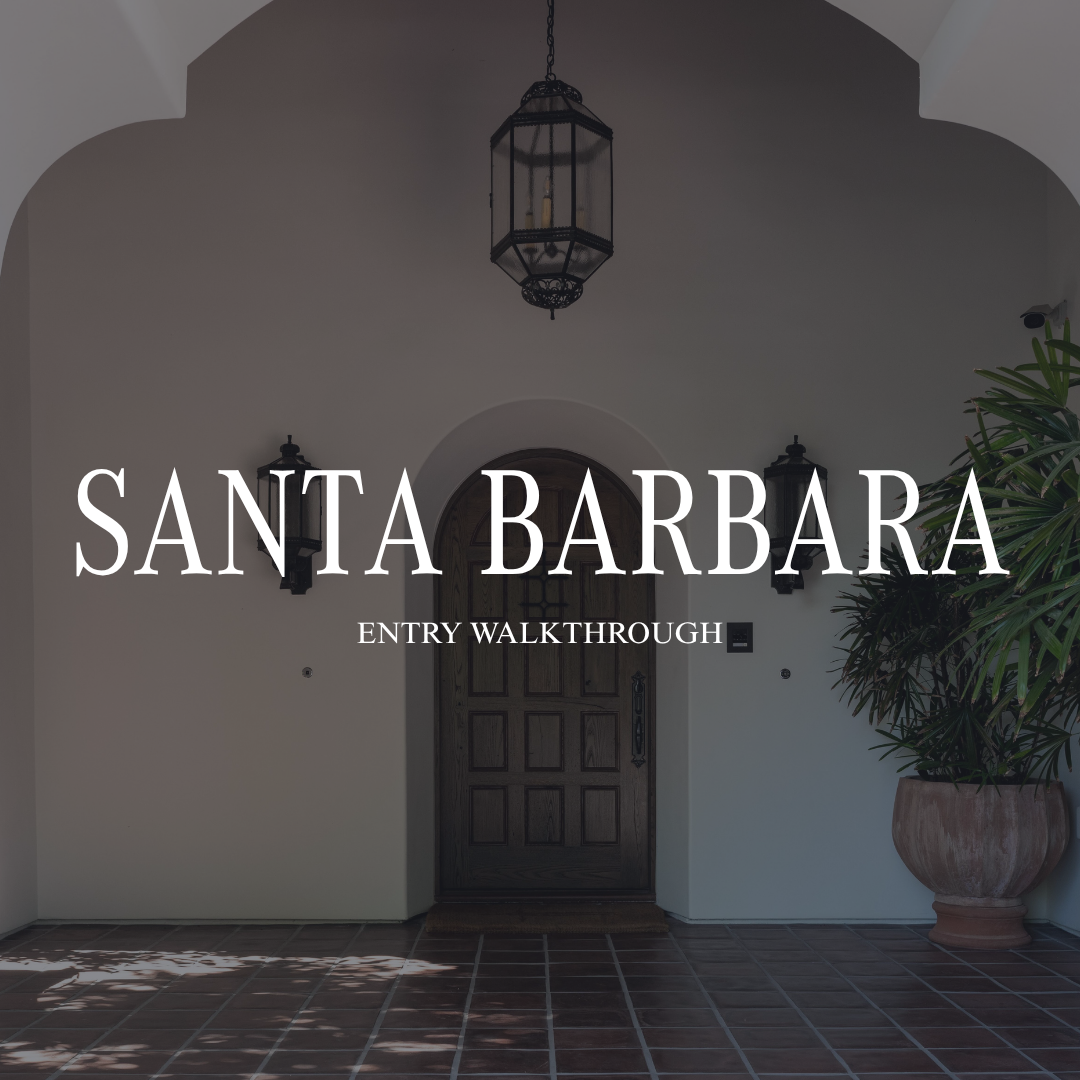
Inside Kingdom and Co. podcast Santa Barbara Estate entryway walkthrough featuring Spanish-style architecture and exposed beam ceiling

Santa Barbara Estate: The Entryway | Inside Kingdom & Co. Podcast

Santa Barbara Estate: Dry Bar Walkthrough


In this episode of Inside Kingdom & Co., Lincoln Rogers and John McDonough walk through the dry bar at the Santa Barbara Estate. From French porcelain countertops that had to be fabricated to millimeter precision overseas to hand-painted Moroccan tiles shipped in panels from North Africa, every surface in this bar tells a story of craftsmanship and coordination. 


Lincoln: Okay, John, so tell us more, I remember you guys when we walked through this property and you were showing us and telling us these stories, this to me stood out a lot just because of how much went into these countertops that most nobody would ever understand or think of.

Explain this to us.

John: Right, so basically the owner didn’t want like a typical granite or quartz countertop in the kitchen.

He wanted this, it’s almost like a porcelain bowl, how they make porcelain.

So these countertops came out of France, they were literally made in France, they were put in containers and they were shipped here.

The challenge was you cannot cut this because it’s like porcelain.

So the measurements had to be perfectly, they’re within millimeters because they do their measurements in centimeters and millimeters over there.

So when we got the cabinetry in, we had to do templates.

We actually made wood templates of the countertops, shipped them to France with the measurements called out and they came back, and if you zoom in on these details, when you see this, the countertop looks like it’s got fine little hairline cracks like you’d see in old China.

So that’s what’s so impressive about it, but you just, I’ve never seen anything like this in a home and it’s such a stunning look.

Lincoln: Right.

Was there any challenges with doing this?

Is there anything that you look back on and like, oh man.

John: Yeah, it was super nerve wracking because if we made a measurement wrong or we didn’t have that right, you cannot cut this stuff.

So when it shows up, you better be spot on with your joints and your seams and the measurements or it wouldn’t work and then it would, you’re eating it.

Lincoln: How many times did you measure it?

John: Probably 10.

Me and my superintendent.

Lincoln: Yeah, a lot.

John: Hickory cabinets, this is a wood that he wanted this rustic hickory that you can see the old nail holes from when it was in like a barn or wherever they got it.

And it’s a really unique look, like I love the character of these cabinets.

Lincoln: Anything specific on the backsplash, I know there’s a lot of Moroccan tiles and things like that.

John: Yeah.

This is all handmade tile.

A lot of it we’ll show you later was actually from Morocco, but they panelized it and made it in panels and put it on in a shipping container and shipped it here all put together.

So once again, we had to make sure the measurements were perfect.

This is just six by six hand painted, but beautiful, beautiful tile.

Lincoln: Yeah, love it.
 

FREQUENTLY ASKED QUESTIONS
What are French porcelain countertops?2026-04-24T16:26:38-07:00

French porcelain countertops are a premium surface material fabricated in France from a porcelain-like composite that develops a distinctive hairline cracking pattern reminiscent of fine old china. In the Santa Barbara estate dry bar, Lincoln Rogers explains that these countertops were custom-ordered from a French workshop and shipped overseas specifically for this project. Because the material cannot be cut after fabrication, every measurement had to be exact before the slabs left France. Wood templates were built on-site and shipped to the fabricator so the finished pieces would fit precisely. The result is a one-of-a-kind countertop surface with the look and feel of antique porcelain.

Why are custom countertop measurements so critical for imported materials?2026-04-24T16:27:04-07:00

When working with materials like the French porcelain countertops in the Santa Barbara estate dry bar, measurements must be accurate to the millimeter because the finished product cannot be trimmed or adjusted after fabrication. Lincoln describes how John McDonough’s team built wood templates on-site and shipped them to the workshop in France so the artisans could fabricate the slabs to exact dimensions. A single measurement error would mean scrapping an irreplaceable piece and starting over with months of additional lead time. This level of precision is one reason a design-build approach is essential for projects that involve internationally sourced, custom-fabricated materials.

What are rustic hickory cabinets?2026-04-24T16:27:29-07:00

Rustic hickory cabinets are built from knotty hickory wood that features natural imperfections such as knot holes, old nail holes, and grain variation that give each piece a barn-reclaimed character. In the dry bar at the Santa Barbara estate, the hickory cabinetry was chosen to complement the more refined French porcelain countertops with a warm, textured contrast. The wood has a rugged, lived-in appearance that evokes old agricultural buildings and adds depth to the overall design of the bar. Each cabinet door and drawer front is unique because of the natural variation in the hickory, meaning no two panels look exactly alike.

What is hand-painted Moroccan tile?2026-04-24T16:27:50-07:00

Hand-painted Moroccan tile is artisan-made ceramic tile produced in Morocco, where individual tiles are painted by hand and then assembled into panels for shipping. In the Santa Barbara estate dry bar, these tiles were used as a backsplash in a 6×6 format, creating a richly textured backdrop behind the bar area. The tiles were shipped in pre-assembled panels inside containers, which required the on-site measurements to be precise so the panels would align correctly during installation. The hand-painted quality means slight variations in color and pattern across the surface, giving the dry bar backsplash an authentic, handcrafted warmth that cannot be replicated by machine-produced tile.

How does the Santa Barbara estate dry bar blend imported materials?2026-04-24T16:28:10-07:00

The dry bar at the Santa Barbara estate is a study in combining materials sourced from multiple countries into a cohesive design. French porcelain countertops provide a refined, antique-inspired surface, while hand-painted Moroccan tiles create a vibrant and textured backsplash. American rustic hickory cabinets ground the space with warmth and natural character. Lincoln Rogers and John McDonough discuss how coordinating these international shipments and ensuring every component fit together required meticulous planning from the earliest design phases. The finished room demonstrates how imported artisan materials can work alongside domestic wood to create a dry bar that feels both worldly and inviting.

Why use a design-build firm for custom material sourcing?2026-04-24T16:28:32-07:00

The Santa Barbara estate dry bar demonstrates why a design-build approach matters for projects with irreplaceable imported materials. Builder John McDonough — now with Kingdom & Co. — coordinated international shipments of French porcelain and Moroccan tile panels, aligning fabrication timelines, customs logistics, and on-site readiness so materials arrived when the space was prepared to receive them. Because materials like the porcelain countertops cannot be cut or modified after fabrication, the build team had to get measurements right the first time during construction. A design-build firm that manages both design decisions and construction execution under one contract eliminates the communication gaps that could lead to costly errors with one-of-a-kind materials.

RELATED EPISODES
Inside Kingdom and Co. podcast Santa Barbara Estate living room walkthrough with leather seating and wood beam ceiling

Santa Barbara Estate: The Living Room | Inside Kingdom & Co. Podcast

Inside Kingdom and Co. podcast Santa Barbara Estate front facade walkthrough with Spanish-style exterior and terra cotta roof

Santa Barbara Estate: The Front Facade | Inside Kingdom & Co. Podcast

Inside Kingdom and Co. podcast Santa Barbara Estate entryway walkthrough featuring Spanish-style architecture and exposed beam ceiling

Santa Barbara Estate: The Entryway | Inside Kingdom & Co. Podcast

Santa Barbara estate dry bar with French porcelain countertops and rustic hickory cabinets

Inside Kingdom & Co.

Hosted by Lincoln Rogers and the Kingdom & Co. team, we started this podcast to pull back the curtain on the design-build world. This podcast was born from a desire to bring clarity and confidence to a process that often feels overwhelming. Whether you're renovating, building from the ground up, or simply exploring your options, we're here to offer refined insight and trusted guidance. From navigating timelines and budgets to understanding design choices and construction challenges, this podcast is your guide to a smoother, smarter experience from concept to completion.
Go to Top